Kitchen Tiles Design: Wall, Floor and Backsplash Ideas
Twenty-two kitchen tile designs for walls, floors and backsplashes, with a practical guide to ceramic vs vitrified, slip and wear ratings, sizes, laying patterns, grout and how many tiles you need.
- Ceramic water absorption
- 3 to 7% (MaterialDepot)
- Vitrified water absorption
- under 0.5% (MaterialDepot)
- Kitchen floor slip rating
- R10 minimum near sinks (MaterialDepot)
- Kitchen floor wear class
- PEI IV for high traffic (MaterialDepot)
- Vitrified 2 x 2 ft, 2026
- ₹60 to 110 per sq ft (InfraLens)
22 Kitchen Tiles Design ideas
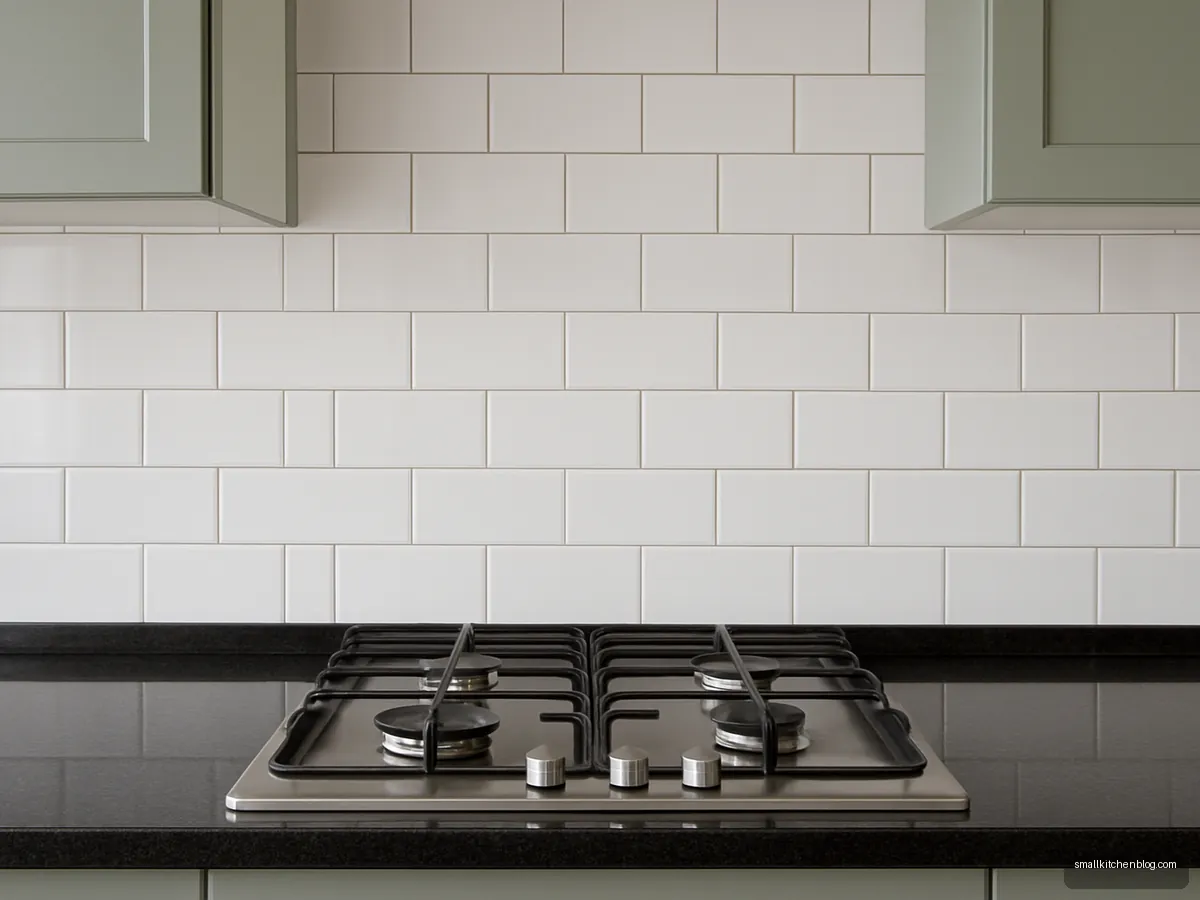
White Subway Brick Bond Splash
Classic white subway tiles in a brick pattern suit almost any shutter colour. Easy to clean and timeless. Use grey grout behind the hob so turmeric stains show less.
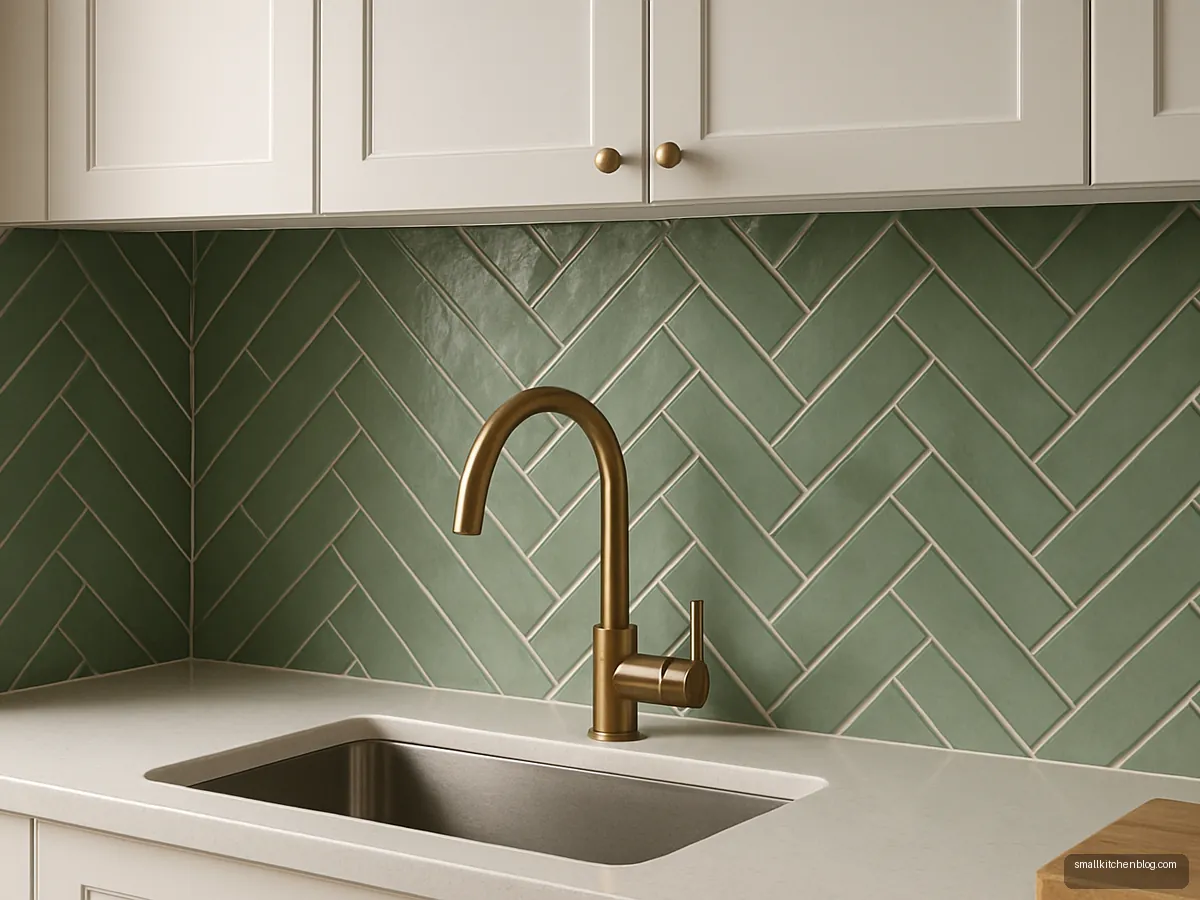
Herringbone Sage Ceramic Strip
Sage green ceramic in herringbone adds movement to a plain kitchen. Works as a highlighter strip between counter and wall units. Herringbone needs more cutting, so add extra wastage.
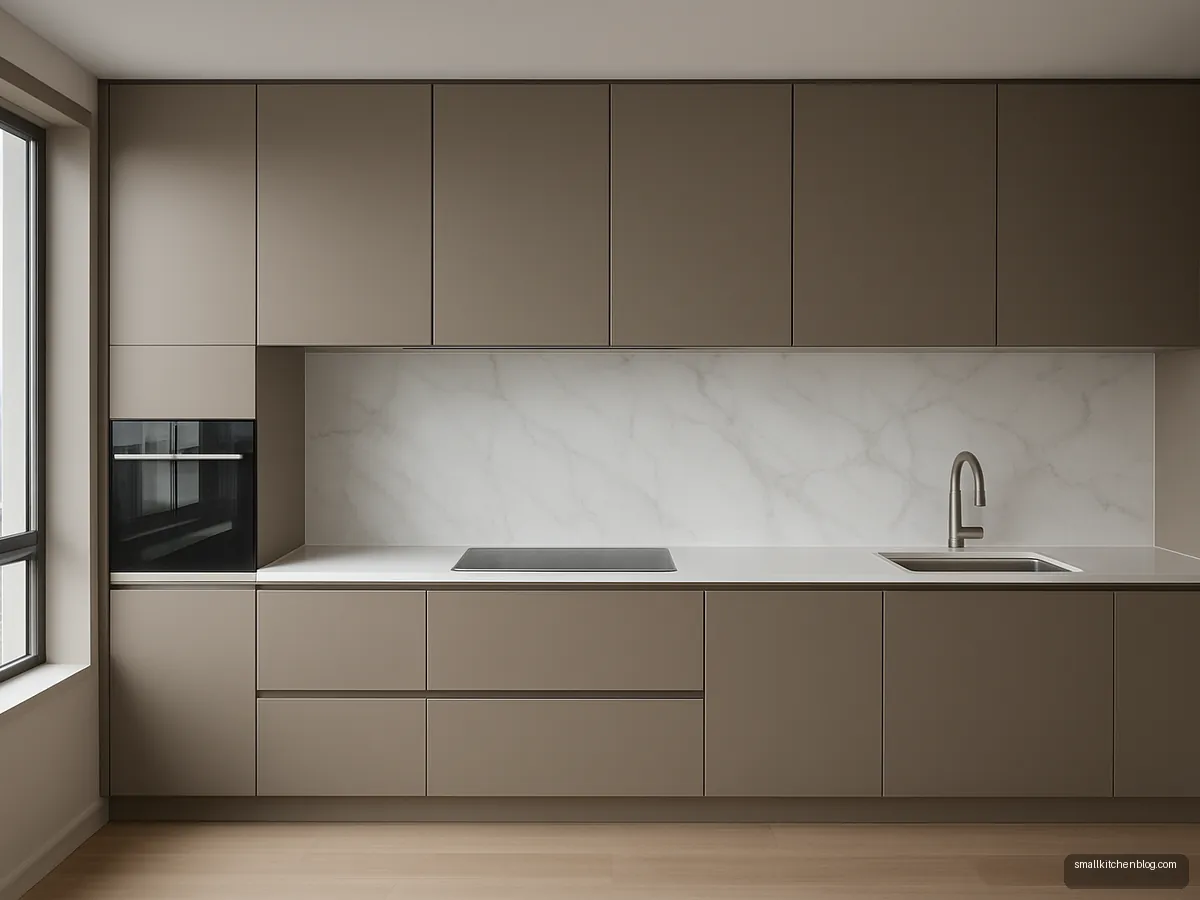
Large Format Marble Look Slab Wall
A single large porcelain slab behind the counter means almost no grout lines to clean. Looks premium. Kajaria lists slabs up to 800 x 3000 mm; plan transport and cutting.
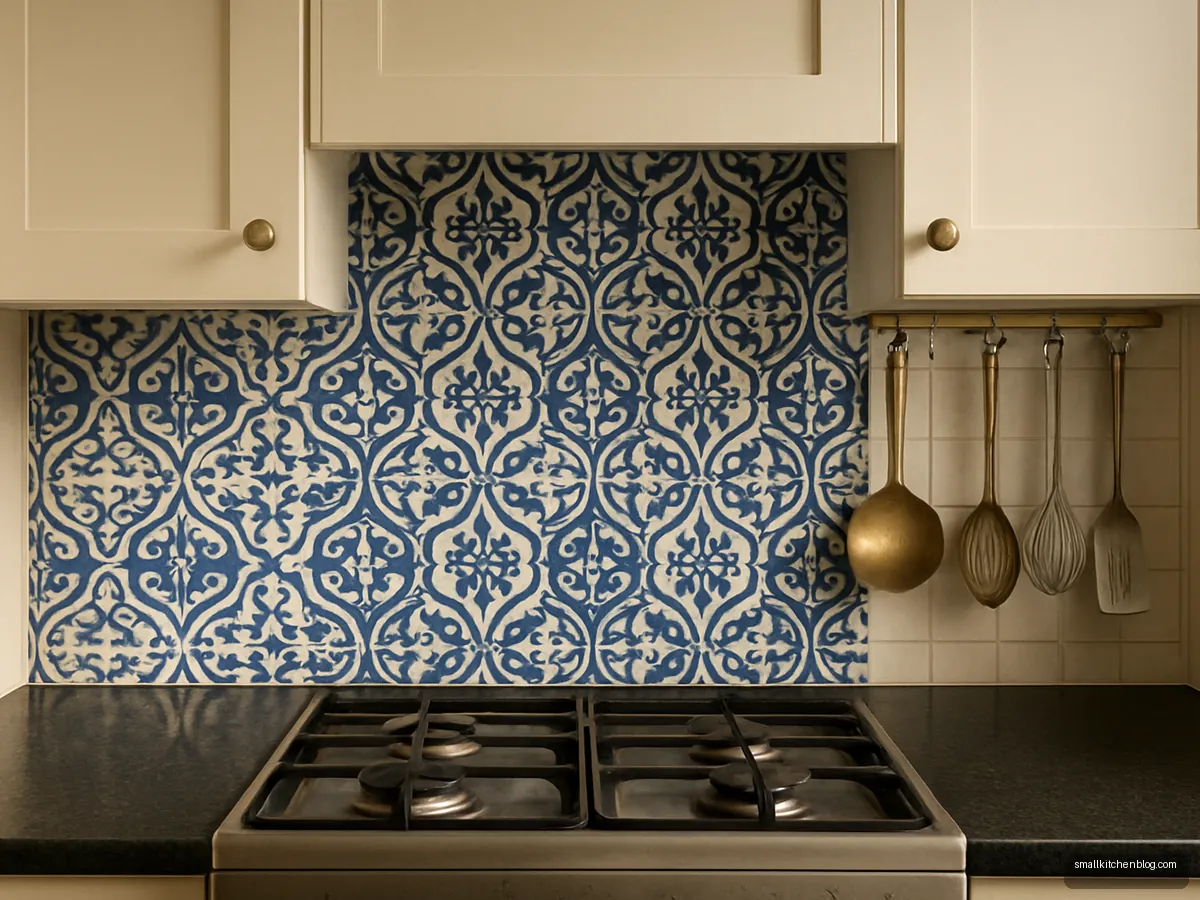
Moroccan Encaustic Pattern Feature
A patterned encaustic-look tile behind the hob gives a festive Indian feel. Keep the rest of the walls plain. Ceramic versions cost less than cement ones.
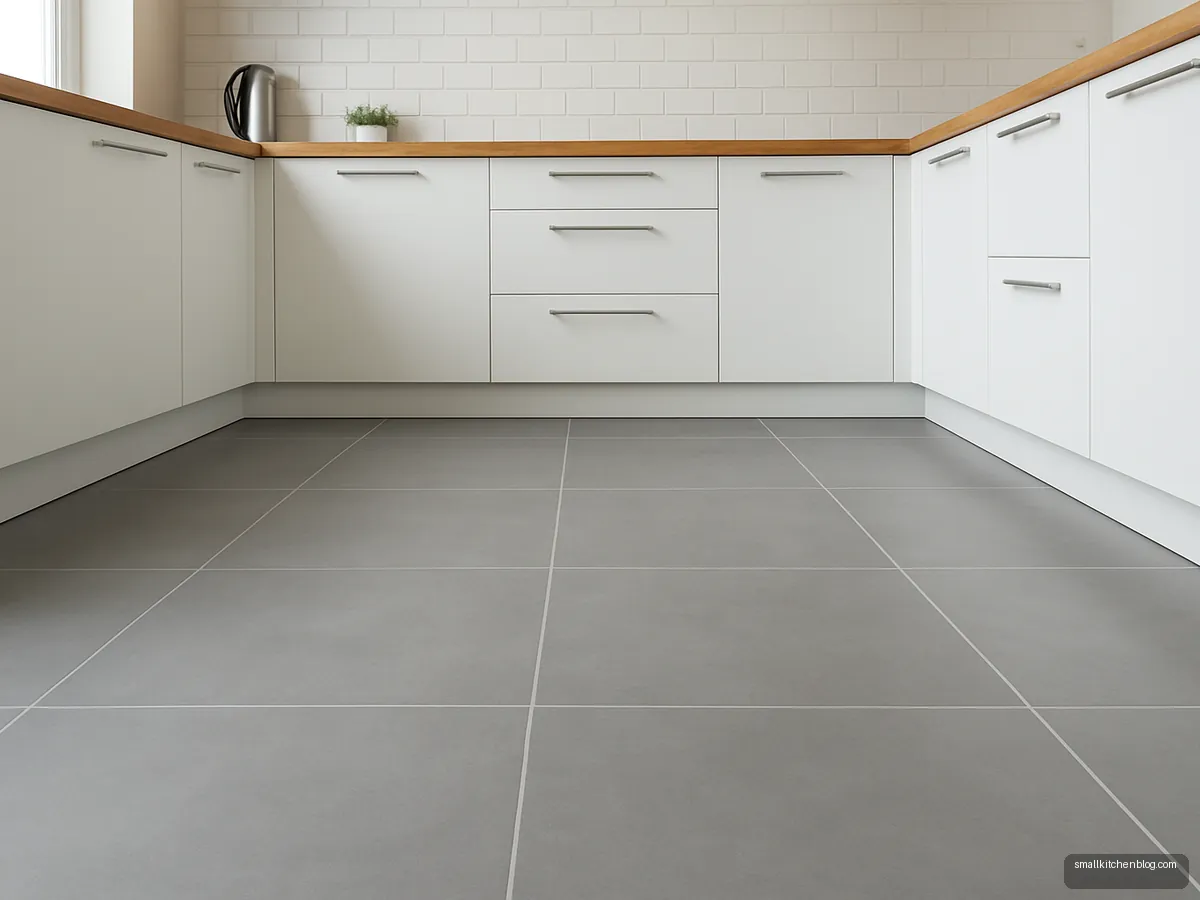
Grey Matte Vitrified Floor 600 Grid
Matte grey 600 x 600 mm vitrified tiles on the floor hide dust and drips. A slip-resistant finish matters near the sink. Ask for R10 or higher.

Terracotta Hexagon Floor
Hexagon terracotta-look tiles bring warmth to a traditional or farmhouse kitchen. Pick a porcelain version with low water absorption for easy cleaning, and a matte surface so it is not slippery underfoot.
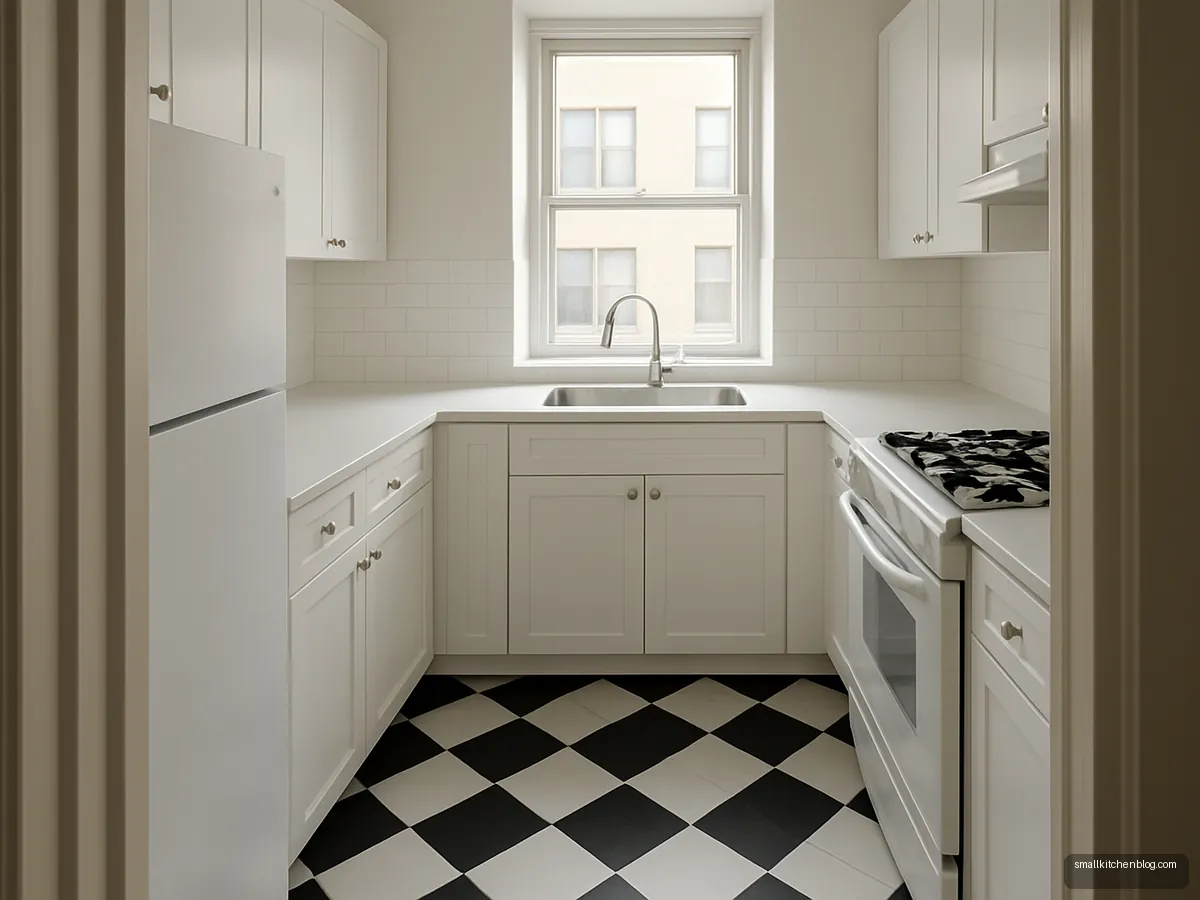
Black And White Checkerboard Floor
A checkerboard floor is a bold, retro choice for a plain white kitchen. Use larger tiles in a small room so the pattern does not feel busy.
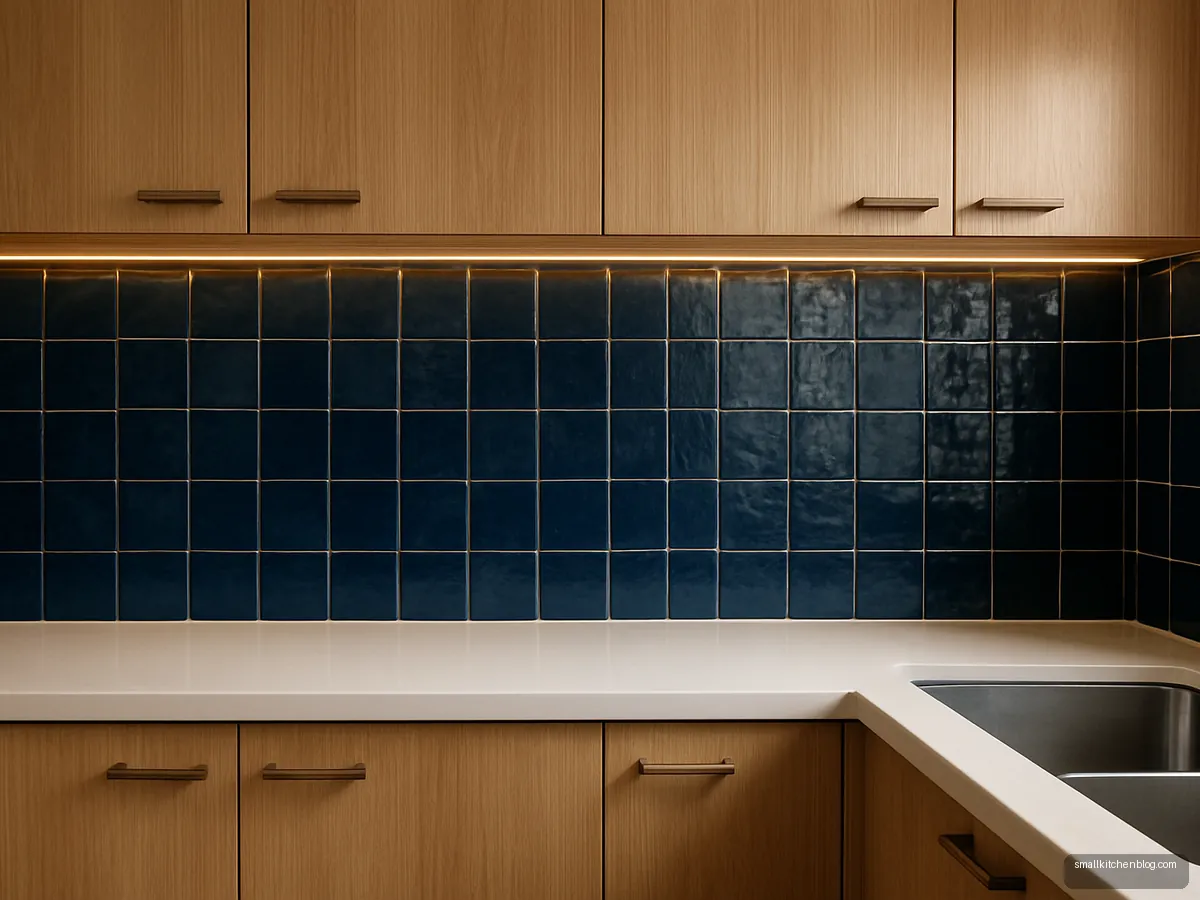
Navy Zellige Look Splash
Handmade-look glossy navy tiles with uneven edges catch light beautifully. Pair with light oak cabinets for balance. Real zellige is costly and fragile; ceramic look-alikes are cheaper and easier to lay.

Wood Look Plank Floor Tiles
Wood-look vitrified planks give a timber feel without water worries. Good for open kitchens joining the living room. Lay them parallel to the longest wall.
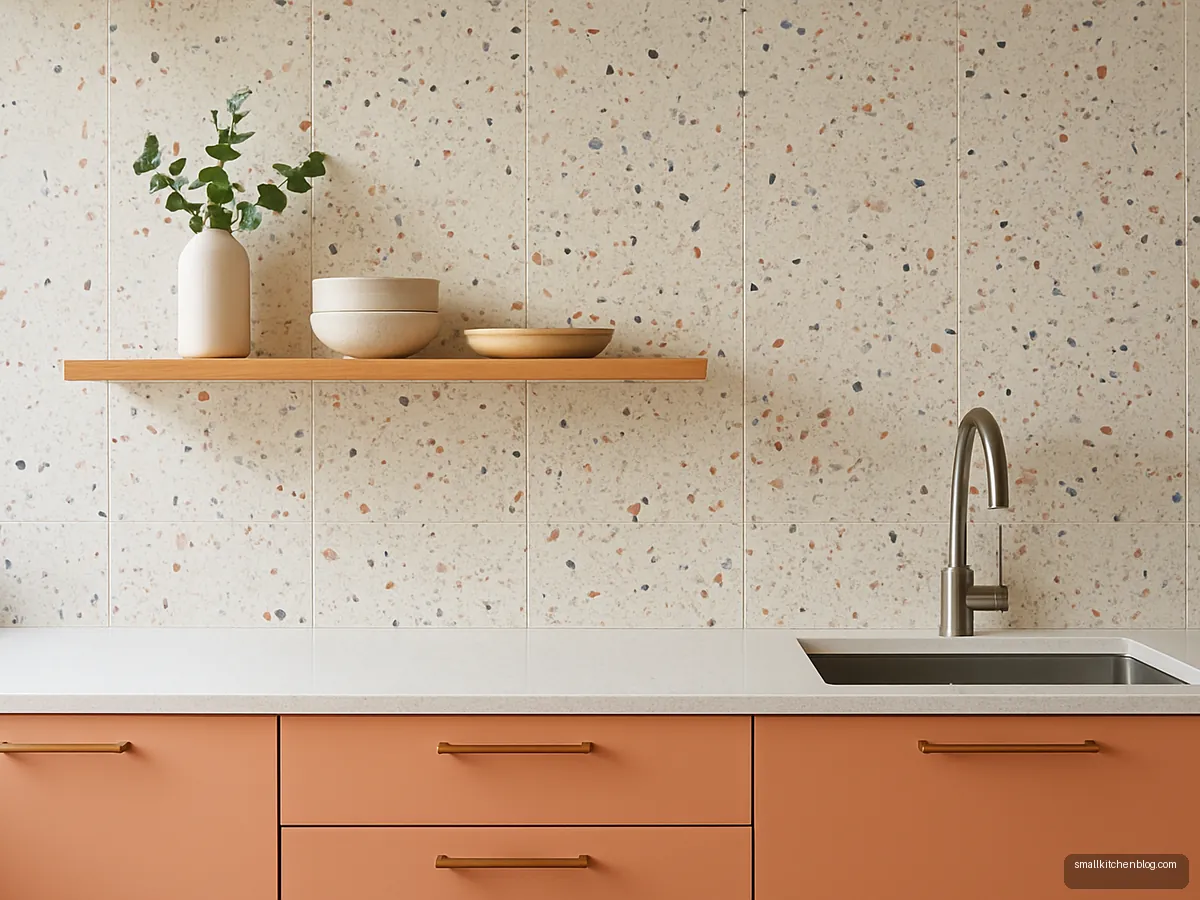
Terrazzo Speckle Counter To Ceiling
Terrazzo-look tiles from counter to ceiling hide splashes and add playful texture. A good choice for busy family kitchens. Choose a light base with small chips.
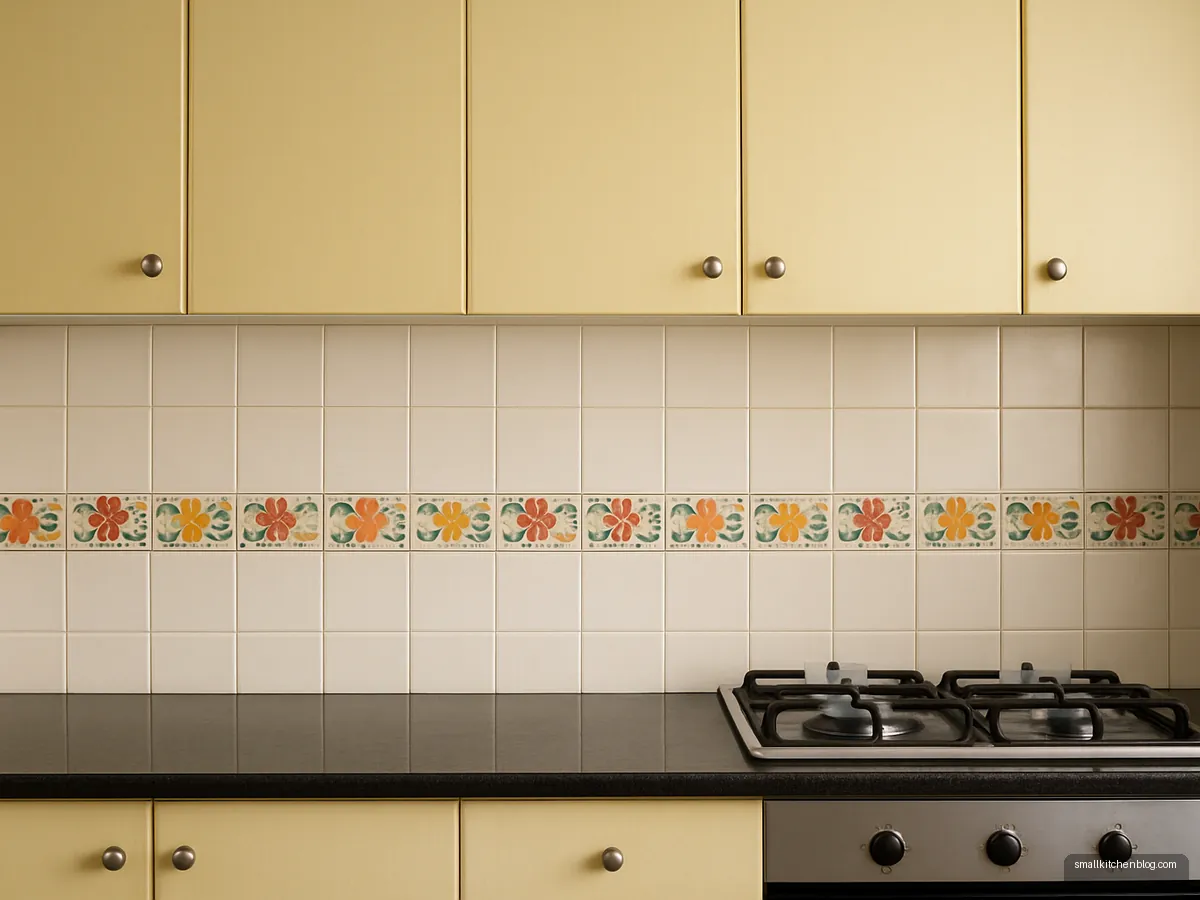
Kitchen Highlighter Tile Band
A single row of decorative highlighter tiles in plain wall tiles is a low cost way to add pattern. Place it at eye level, just below the wall units.
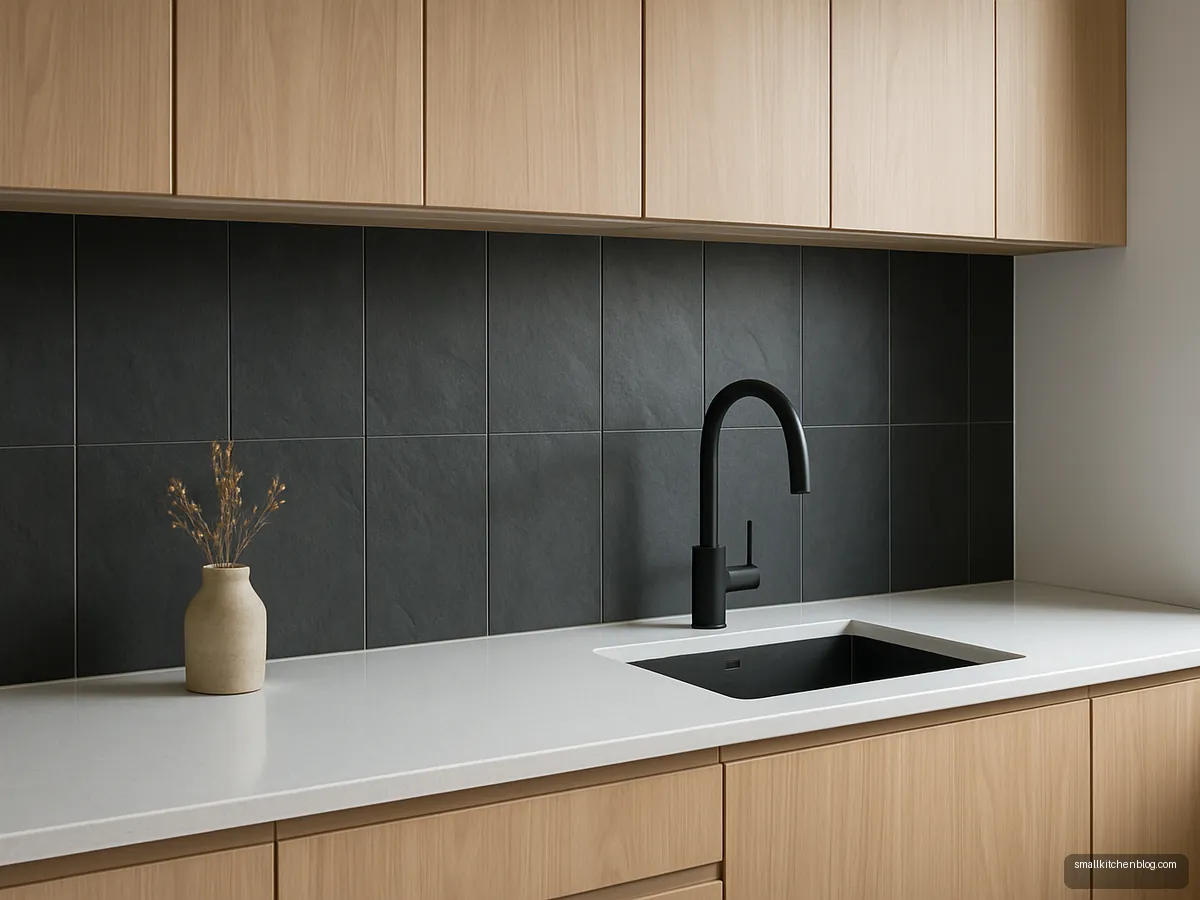
Charcoal Stone Look Tiles
Dark stone-look matte tiles hide oil and masala marks well. Pair with lighter cabinets so the room stays bright. Use matching dark grout so lines disappear behind the hob.
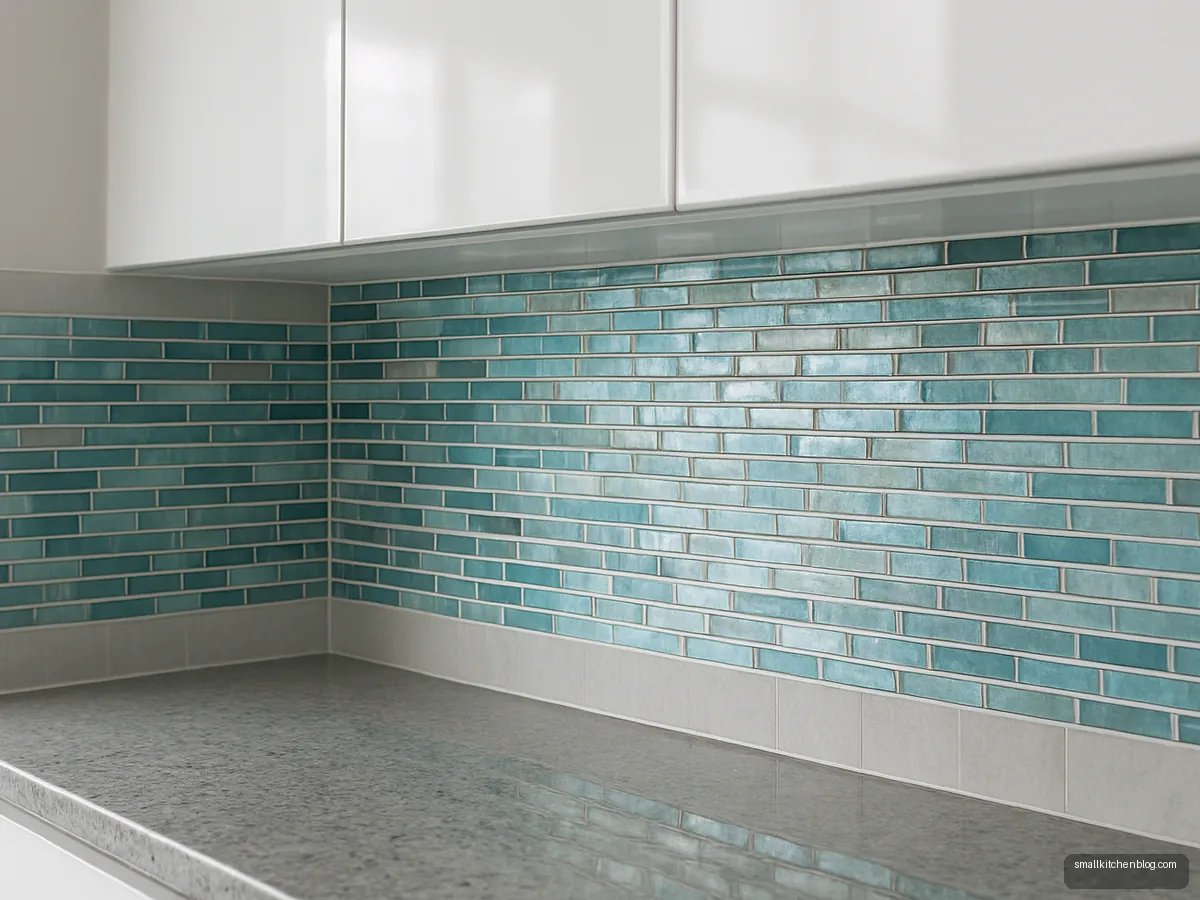
Glass Mosaic Shimmer Strip
Small glass mosaic tiles reflect light and suit a narrow strip between counter and cabinets. Cleaning grout lines takes time, so keep the mosaic area small.
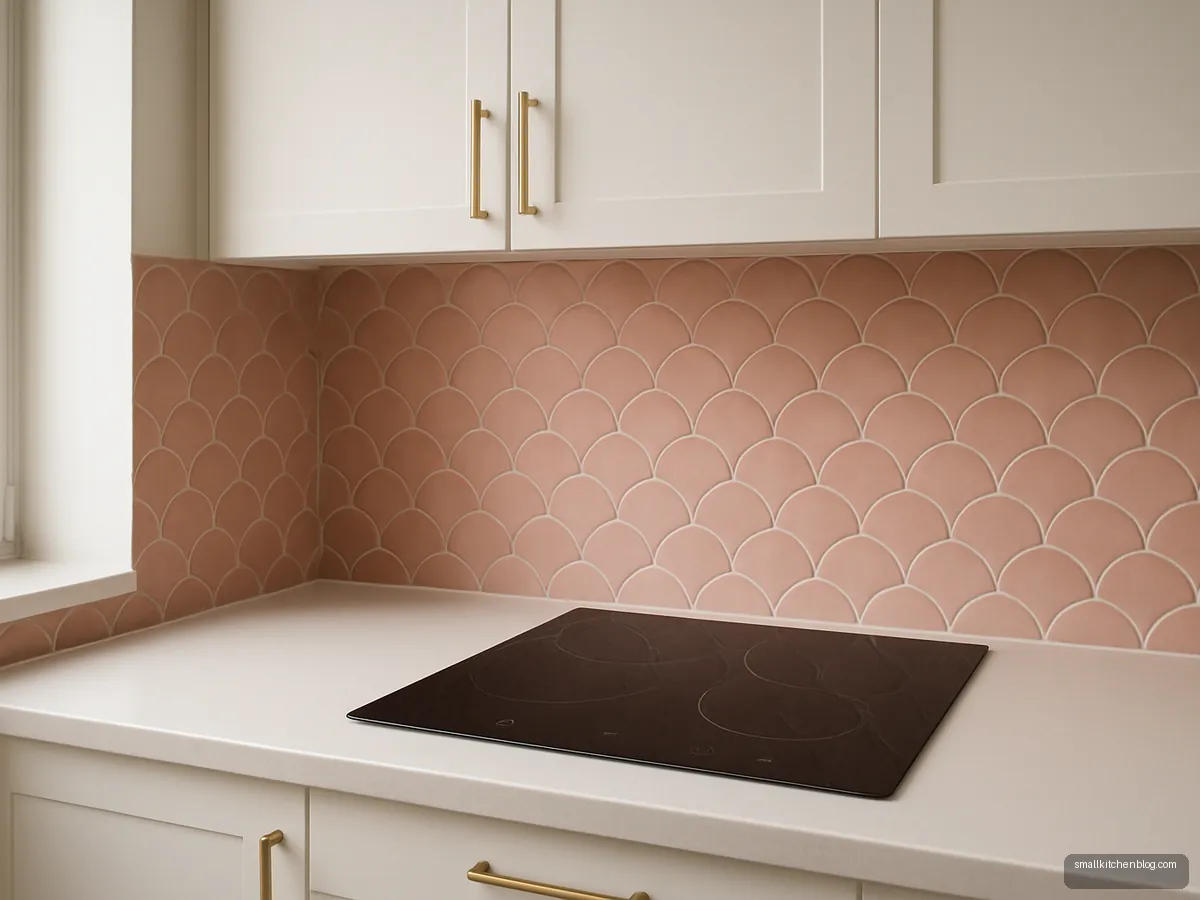
Fish Scale Blush Tiles
Fish scale or fan-shaped tiles in blush pink make a soft feature wall. Suits small modern kitchens and young couples. Allow extra tiles for cutting at the edges and corners.
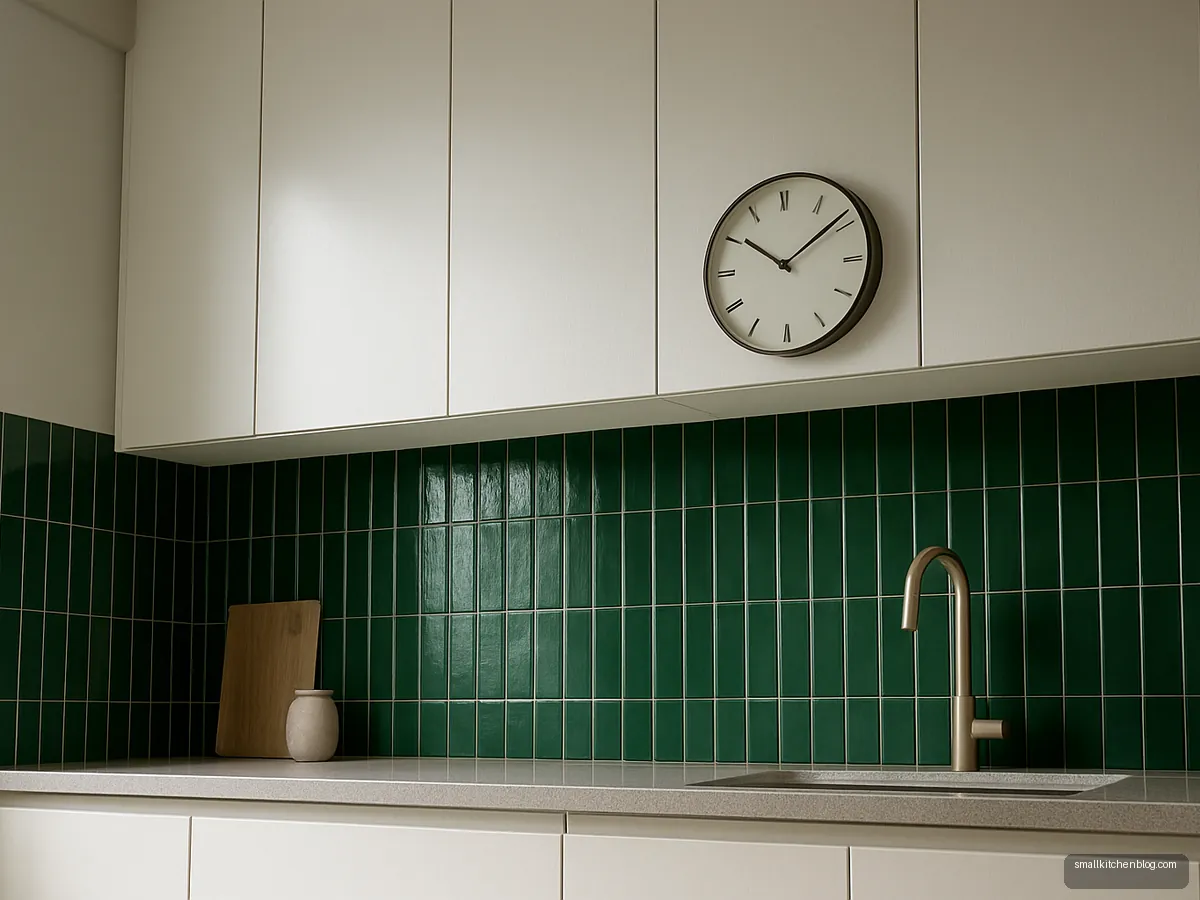
Vertical Stack Green Kit Kat
Thin finger tiles stacked vertically make a low ceiling look taller. Bottle green adds depth and hides small splashes. Many fine grout lines need sealing in a cooking kitchen.
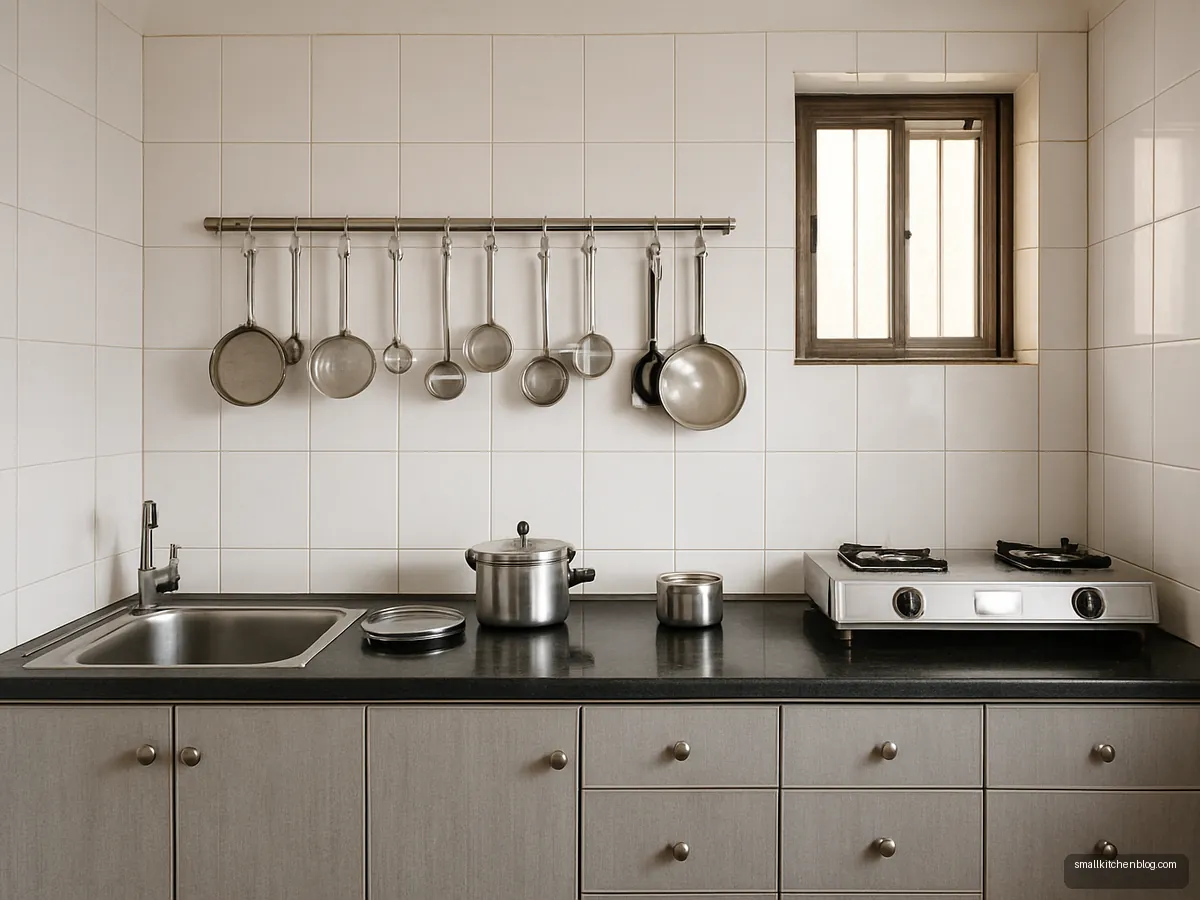
Plain White Full Wall Ceramic
Full height white ceramic wall tiles are the easiest to clean and very budget friendly. Good for rental flats and traditional kitchens. Ceramic absorbs a little water, so walls are the right place for it.
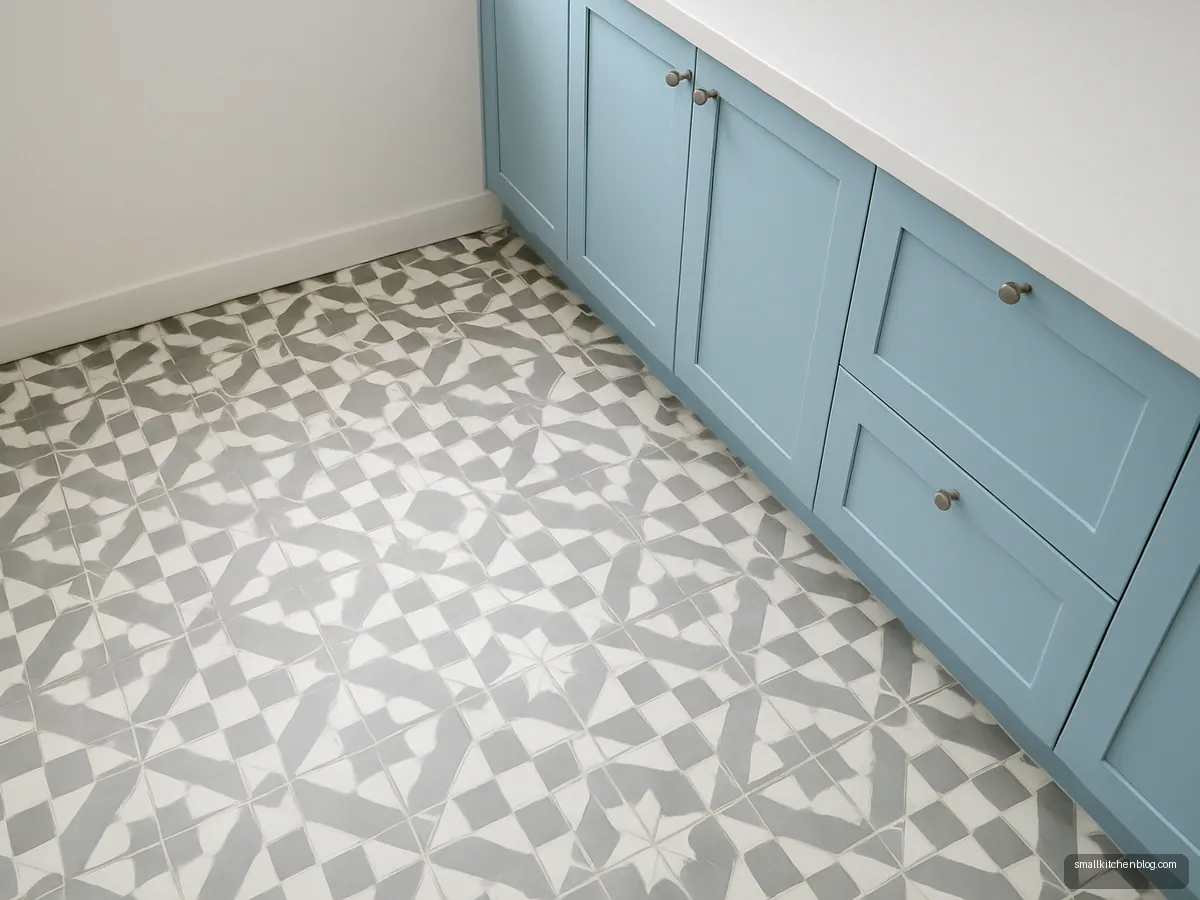
Patterned Floor With Plain Walls
A bold patterned floor tile with plain walls keeps the room balanced. Grey and white geometric patterns hide dust well in Indian homes where the floor is mopped daily.

Mustard Square Grid Splash
Square mustard tiles laid in a straight grid with white grout give a cheerful, graphic look. Easy and quick for tilers. Pair with grey cabinets.
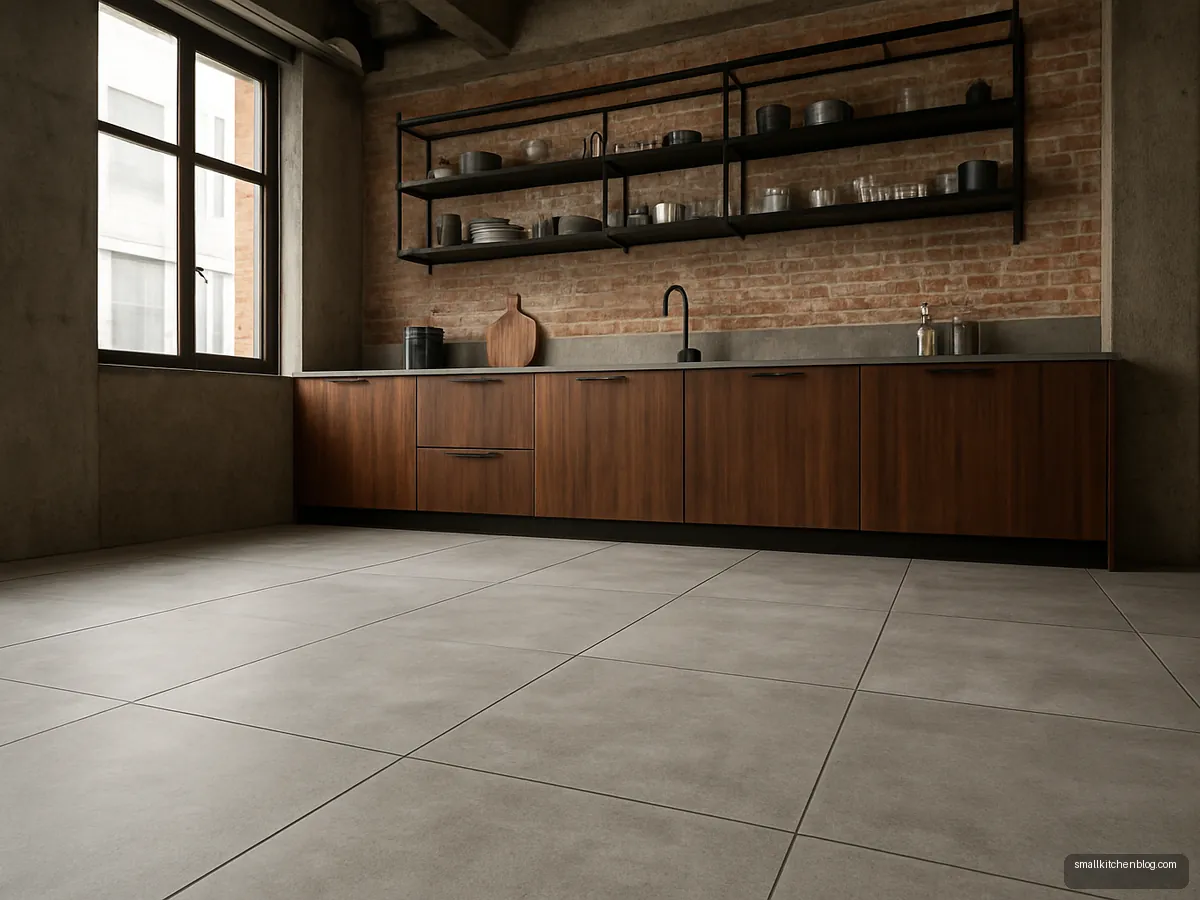
Concrete Look Industrial Floor
Large concrete-look tiles bring an industrial style to modern kitchens. A matte finish hides footprints and water marks. Choose rectified edges so the joints stay thin and neat.
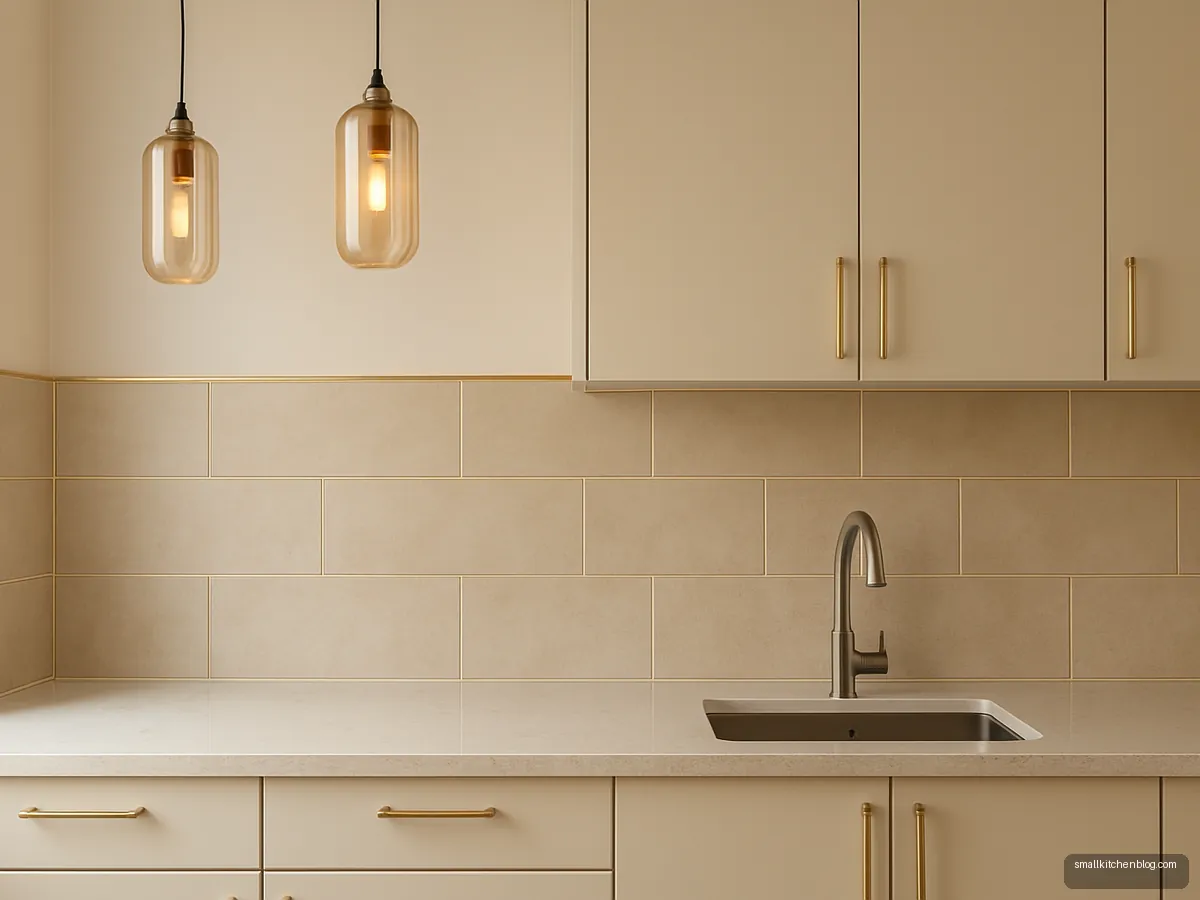
Satin Beige Tile With Gold Trim
Satin beige wall tiles with thin metallic gold trims at edges look polished without being flashy. Good for mid-range modern homes that want a soft, warm finish behind the counter.
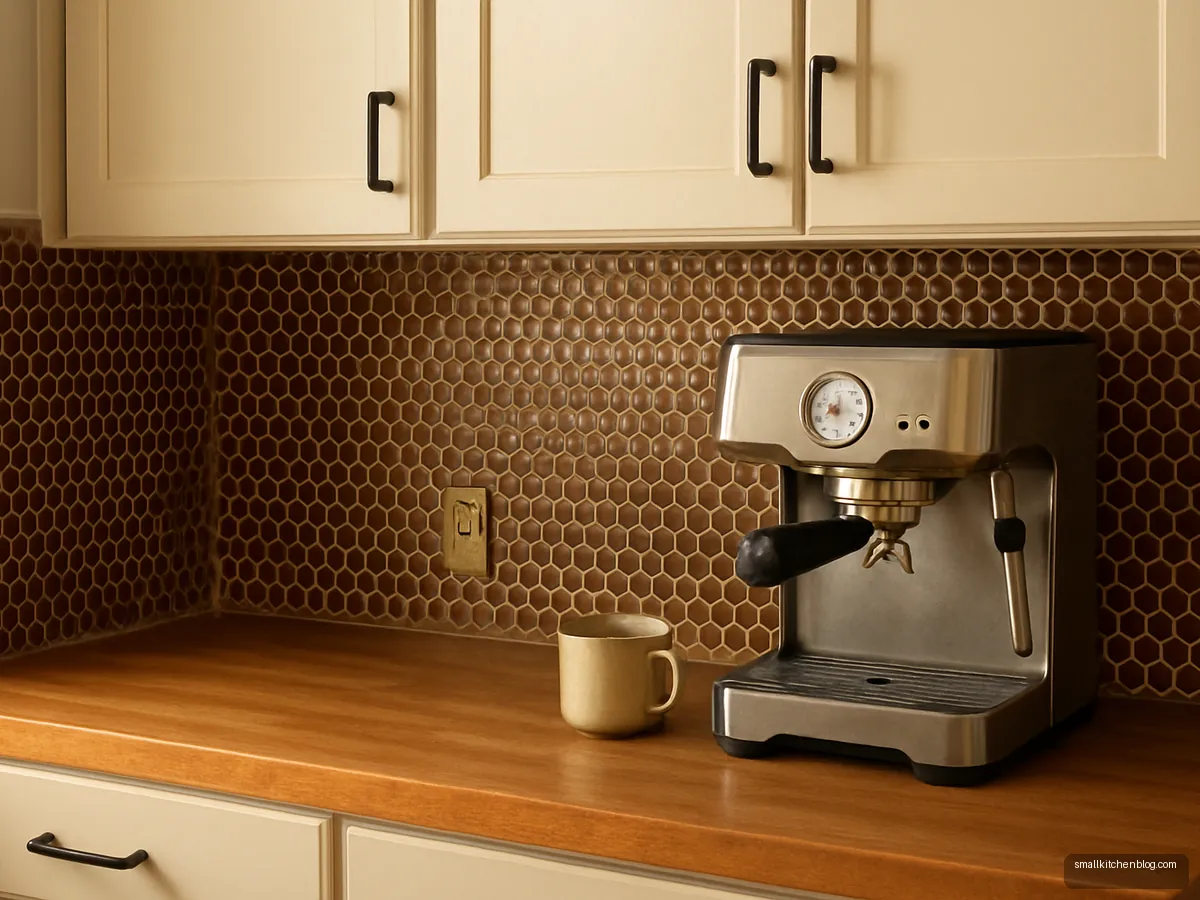
Penny Round Coffee Splash
Penny round mosaics in a coffee brown tone give a café feel. The small rounds take lots of grout, so use an epoxy grout for easier cleaning.
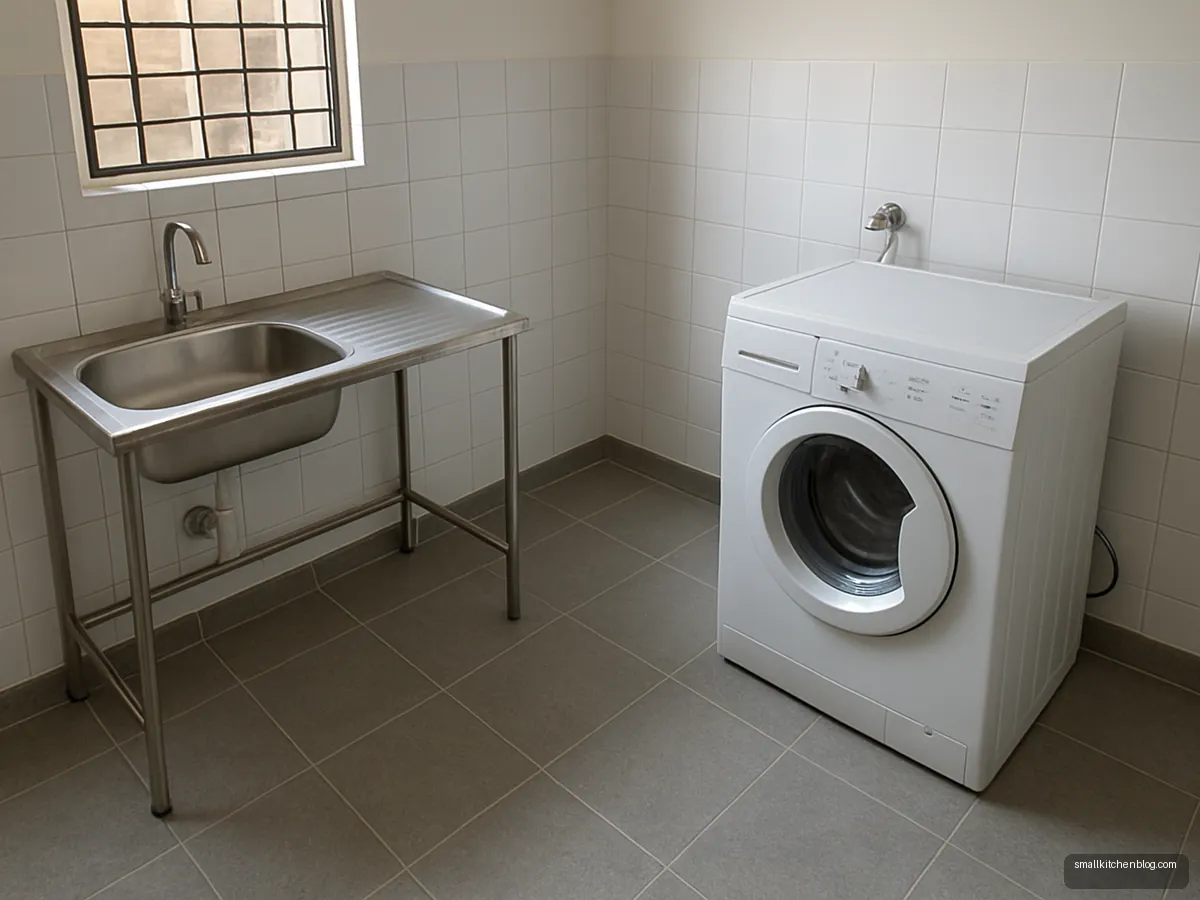
Anti Skid Utility Floor
The utility area next to the kitchen gets wet often. A textured anti-skid tile keeps it safe. MaterialDepot says R10 suits residential kitchen floors near sinks.
Illustrative design concepts. Sizes, finishes and prices vary by maker and city, so confirm details with your designer or carpenter.
Tiles do two jobs in an Indian kitchen: they protect the wall behind the cooking and washing zones from splashes, oil and turmeric, and they take heavy daily wear on the floor. Choosing the right type, size, finish and grout matters as much as the colour.
Below are 22 kitchen tiles design ideas for walls, floors and backsplashes, followed by a practical guide to tile types, sizes, patterns and how many tiles to buy.
Wall tiles vs floor tiles
Walls and floors need different tiles. MaterialDepot gives ceramic water absorption at 3 to 7% and vitrified under 0.5%. Ceramic is porous and suits walls; vitrified is denser and suits floors.
| Feature | Ceramic | Vitrified |
|---|---|---|
| Water absorption | 3 to 7% (MaterialDepot); 3 to 6% (L&T SuFin) | Under 0.5% |
| Thickness | 6 to 8 mm | 8 to 12 mm |
| Best place | Walls, backsplash | Floors, heavy use |
Kajaria's kitchen range follows the same split: glazed vitrified, GVT and polished vitrified for floors, ceramic for walls. See our dedicated kitchen wall tiles and kitchen floor tiles galleries.
Ratings that matter for kitchen floors
Two ratings help when you compare floor tiles. MaterialDepot explains them:
- PEI class (wear): class III suits residential floors and class IV suits high-traffic residential areas including kitchens. Class I is for walls only.
- Slip rating (DIN 51130): R10 is the recommended minimum for residential kitchen floors near sinks; R9 is for dry indoor areas; R11 suits wet areas such as balconies.
Kajaria does not publish PEI or R ratings on its kitchen page, so ask the dealer for the spec sheet before buying. Glossy polished tiles look bright but are more slippery when wet.
Common sizes and where they work
Kajaria lists kitchen tile sizes from 300 x 300 mm up to 1200 x 2400 mm, plus slabs of 800 x 2400 and 800 x 3000 mm. In practice:
- 300 x 450 or 300 x 600 mm: standard wall tiles, easy to cut around switches.
- 600 x 600 mm: the most common floor size in Indian flats.
- 600 x 1200 mm and larger: fewer grout lines, a premium look, but need skilled laying and a very flat surface.
- Small mosaics and subway tiles: best for a backsplash feature, not whole walls.
In small kitchens, larger tiles make the room look calmer because there are fewer lines. For more space-saving ideas see small kitchen design.
Patterns, highlighters and grout
Laying pattern changes the look without changing the tile. Straight grid is cheapest and fastest. Brick bond suits subway tiles. Herringbone and chevron need more cutting, so buy more spare tiles. Vertical stacking makes a low wall look taller.
A highlighter is a band or panel of decorative tiles inside plain ones, usually just below the wall units or behind the hob. It is a budget way to add pattern. Grout matters too: white grout behind the hob turns yellow from masala and oil; grey, beige or epoxy grout stays cleaner. For colour pairing, see our kitchen colour combination ideas.
How many tiles to buy
To estimate quantity, use the tile calculator on this page. The method it follows is simple:
- Measure each wall or floor area in feet and multiply length by height (or width).
- Subtract large openings such as windows and doors.
- Divide the area by the area of one tile, or by the area covered per box from the box label.
- Add extra for cutting and breakage: more for diagonal, herringbone and small rooms with many corners.
- Buy all boxes from the same batch so the shade matches.
Keep a few spare tiles after the job for future repairs, since the same design may be discontinued.
Tile prices
InfraLens (Aug 2026) gives a headline range of ₹60 to 110 per sq ft for 2 x 2 ft vitrified tiles, with most cities at ₹85 to 89. It does not state whether laying is included. We did not find a reliable 2026 source for ceramic wall tile prices, so check with local dealers. Labour, grout, adhesive and skirting are usually extra. For overall budgeting, see low budget kitchen design.
Frequently asked questions
Which tiles are best for kitchen walls in India?
Ceramic wall tiles are the usual choice for kitchen walls because they are light, easy to cut and easy to clean. MaterialDepot gives ceramic water absorption at 3 to 7%, which is fine on a wall. Choose glossy or satin finish behind the hob so oil wipes off easily.
Kitchen floor ke liye kaun si tile achhi hai?
Vitrified tiles are better for kitchen floors because they absorb under 0.5% water and are tougher. Pick a matte or textured finish with a slip rating of at least R10, which MaterialDepot recommends for residential kitchen floors near the sink. Ask the dealer for the PEI class too.
What is a kitchen highlighter tile?
A highlighter tile is a decorative tile used as a band or small panel within plain wall tiles, often below the wall cabinets or behind the stove. It adds colour and pattern at low cost because you need only a few boxes. Keep the rest of the wall plain.
What size tiles are best for a small kitchen?
Larger tiles with fewer joints usually make a small kitchen look calmer. For walls, 300 x 600 mm works well; for floors, 600 x 600 mm is common. Kajaria lists sizes up to 1200 x 2400 mm, but very large tiles need a flat base and skilled laying.
Should I tile the whole kitchen wall or just the backsplash?
Tiling only the backsplash zone, between counter and wall units, saves money and leaves the rest of the wall for paint. Full height tiling is easier to clean in heavy-cooking kitchens and around the hob. Many Indian homes tile the cooking wall fully and paint the others.
Which grout colour is best for kitchen tiles?
Grey, beige or a colour close to the tile is the safest. White grout behind the hob tends to turn yellow from turmeric and oil. Epoxy grout costs more but resists stains and is easier to clean, which helps with mosaics and small tiles.
Sources: MaterialDepot, Vitrified vs ceramic · L&T SuFin, Vitrified vs ceramic · MaterialDepot, Reading tile specs · Kajaria, Kitchen tiles · InfraLens, Tile prices. Figures checked 14 October 2026; prices and rates change, so confirm locally.