Kitchen Sink Design: Types, Materials and Placement
Choose a sink that handles Indian cooking: SS 304 vs 202 explained, single or double bowl, drainboards and workstation sinks, where to place it, and 16 sink ideas.
- SS 304 composition
- ~18% chromium, ~8% nickel (Ruhe)
- Sink landing (NKBA)
- 24 in one side, 18 in other
- Prep area beside sink
- 36 x 24 in (NKBA)
- Sink cabinet board
- BWP plywood, IS 710 (Greenply)
- Dish drainer cabinet
- 600 or 900 mm (Hettich)
16 Kitchen Sink Design ideas

Double Bowl Steel Under Window
A double-bowl SS sink under the window is the classic Indian setup: one bowl for soaking kadais, one for rinsing. Needs a longer counter, so it suits medium to large kitchens.

Single Bowl With Drainboard
A single large bowl with a ribbed drainboard suits families washing big steel vessels and pressure cookers. The drainboard doubles as a drying area, so you can skip a counter dish rack.
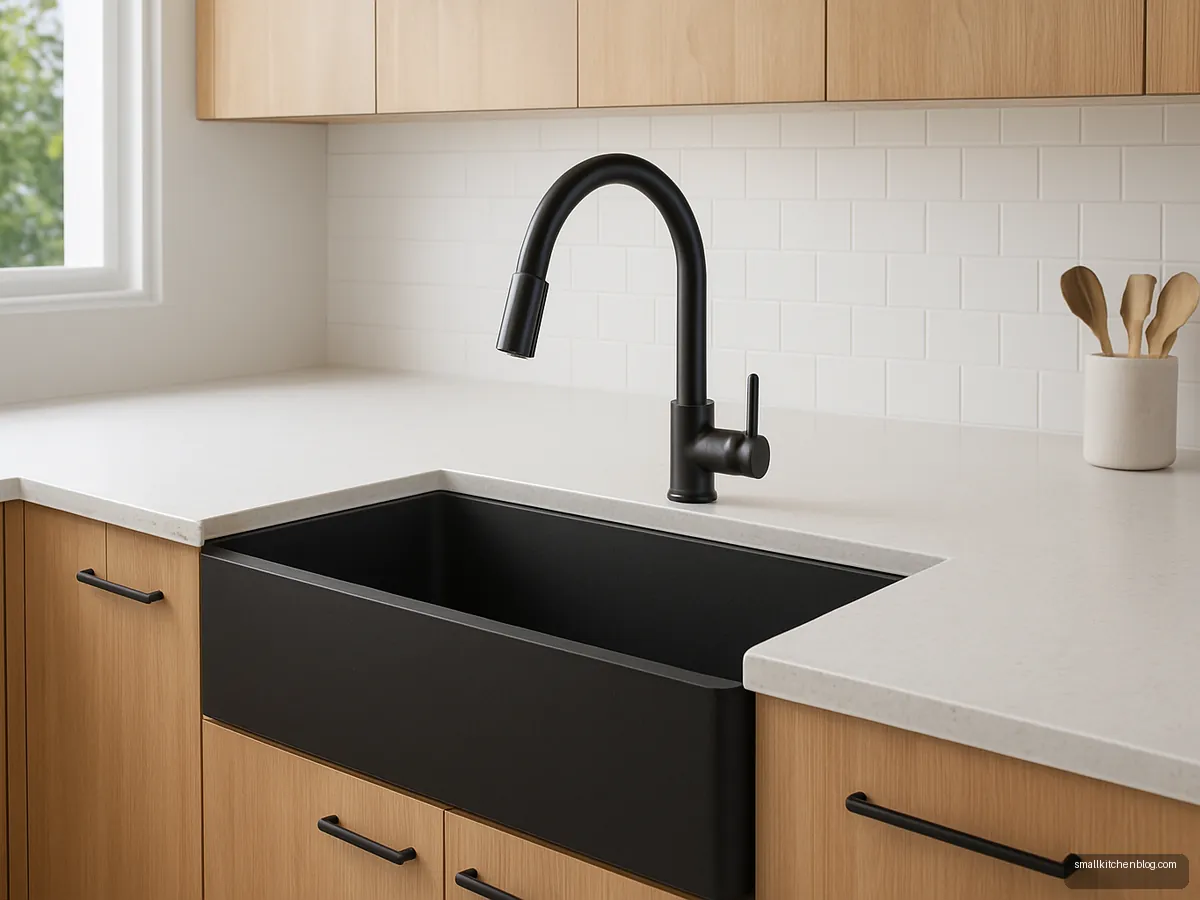
Black Quartz Composite Sink
A matte black quartz composite sink hides water spots and scratches well and looks sharp in a modern kitchen. Avoid dropping heavy cast iron tawas into it.
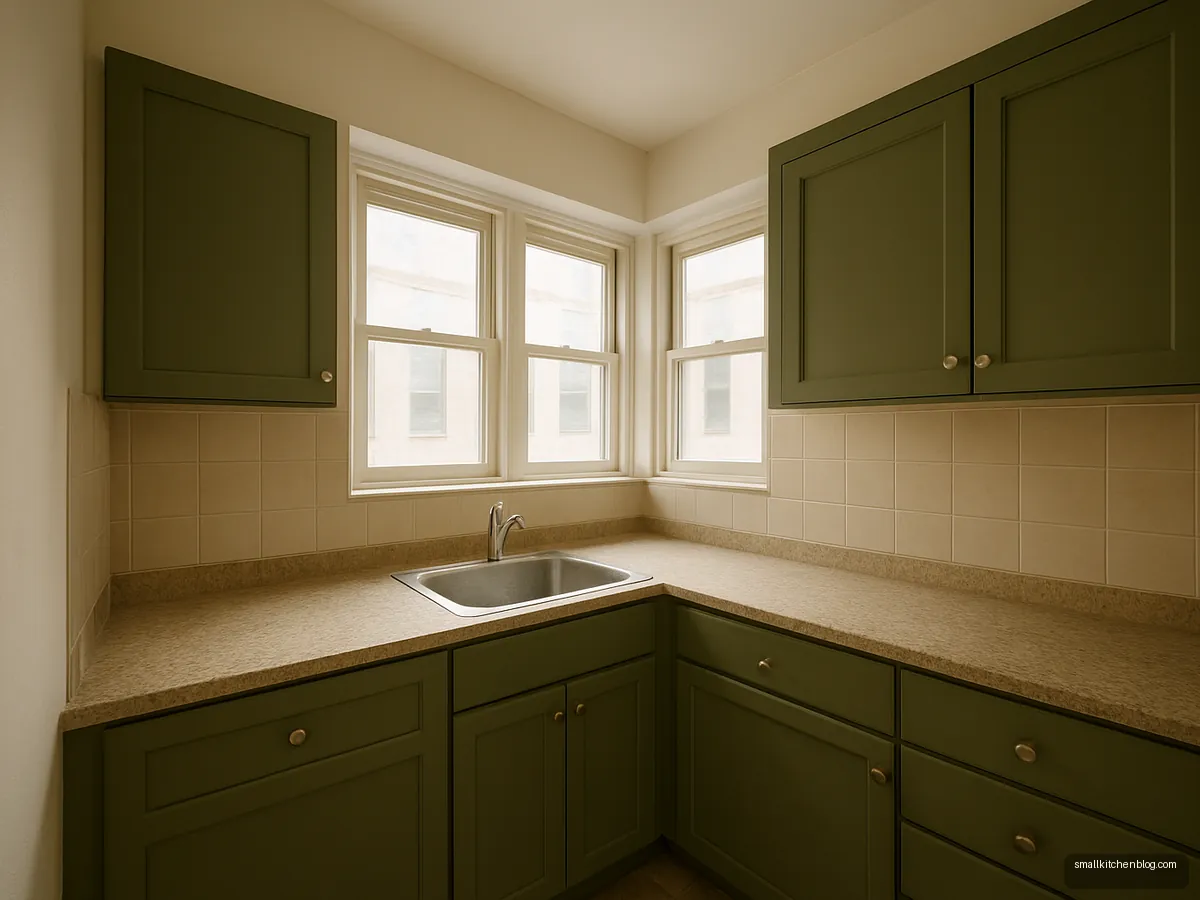
Corner Sink In L-Shape
A corner sink uses the dead space where two counters meet in an L. It frees straight runs for the hob and chopping. Ensure there is landing space on both sides.
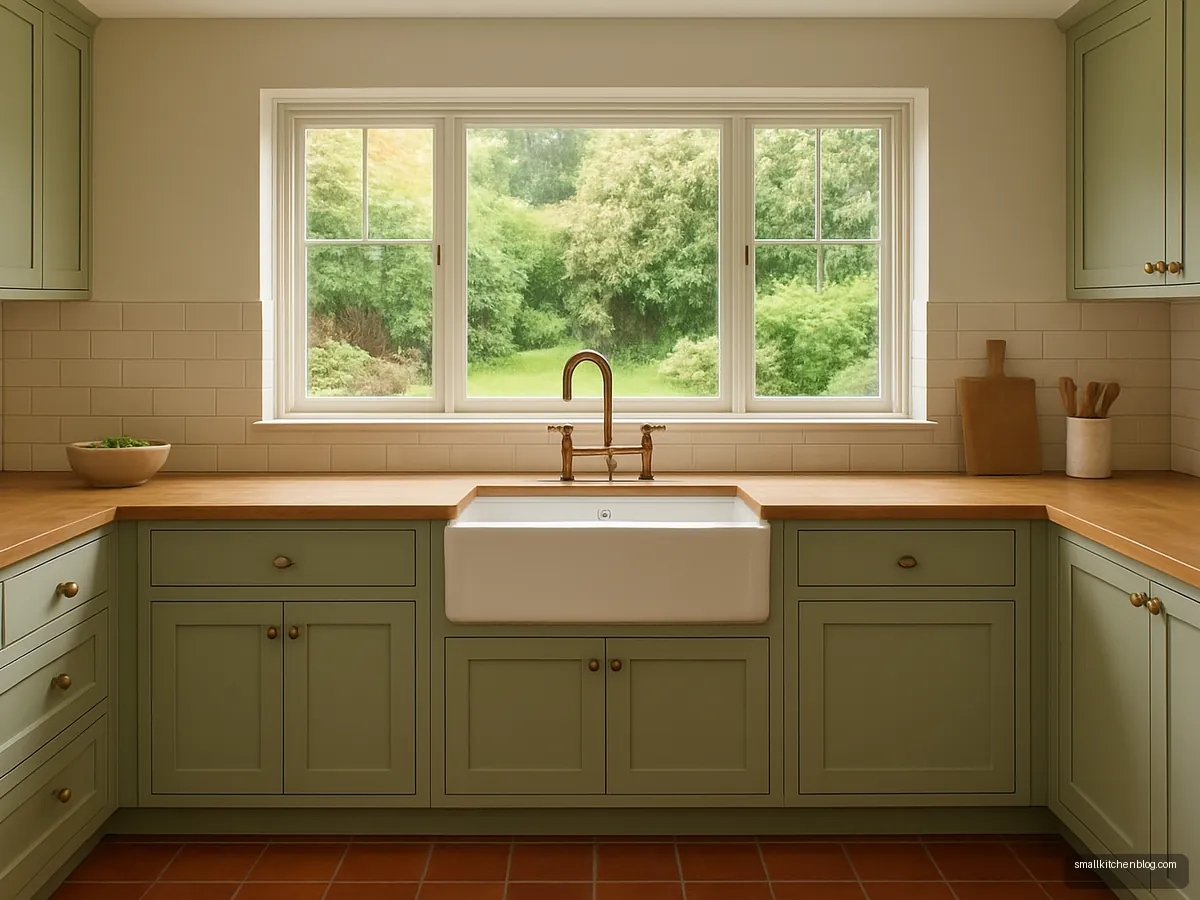
Farmhouse Apron Sink
A white ceramic apron-front sink is a statement piece for larger kitchens. It needs a cabinet built to its size and is heavy, so plan support before the counter goes on.
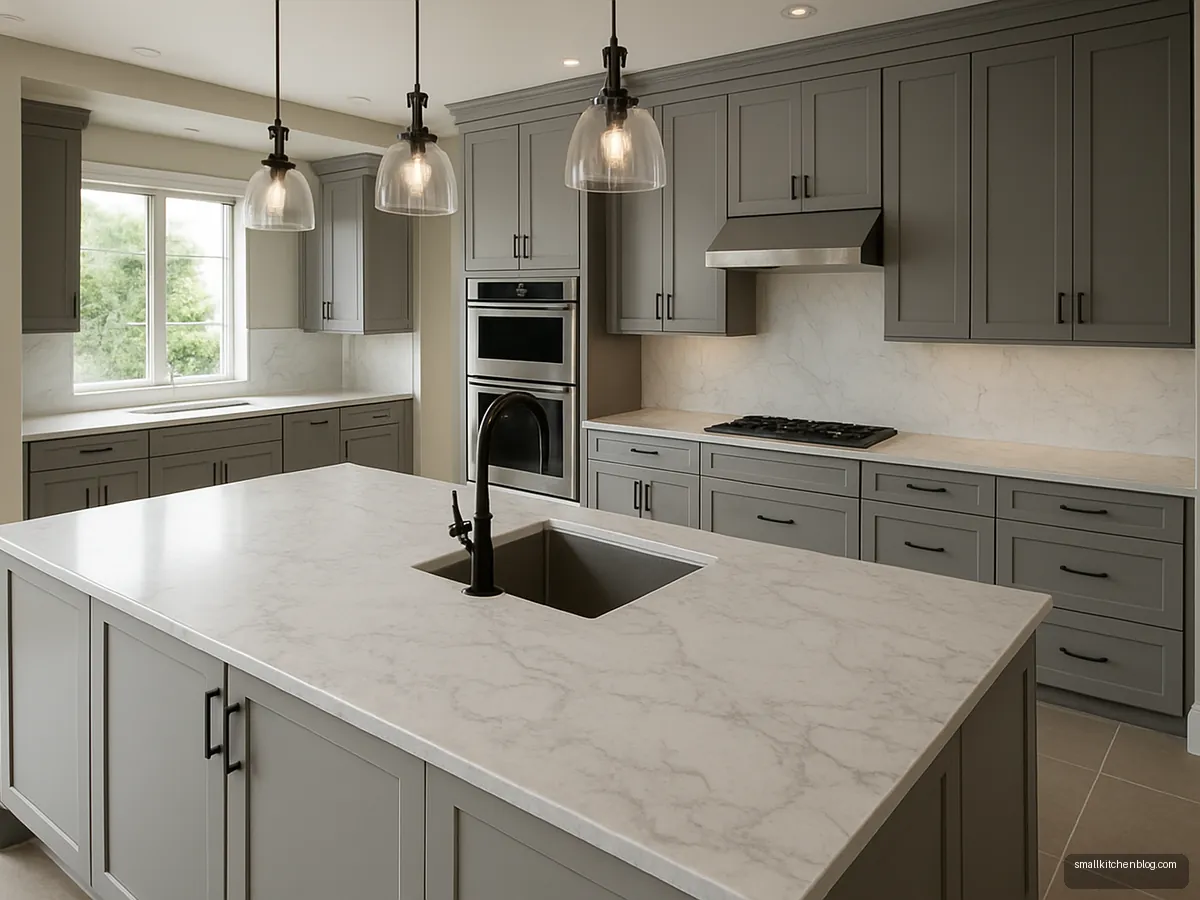
Island Prep Sink
A small prep sink on an island saves walks to the main sink when washing vegetables. Only worth it if the kitchen already has room for an island with clearance.
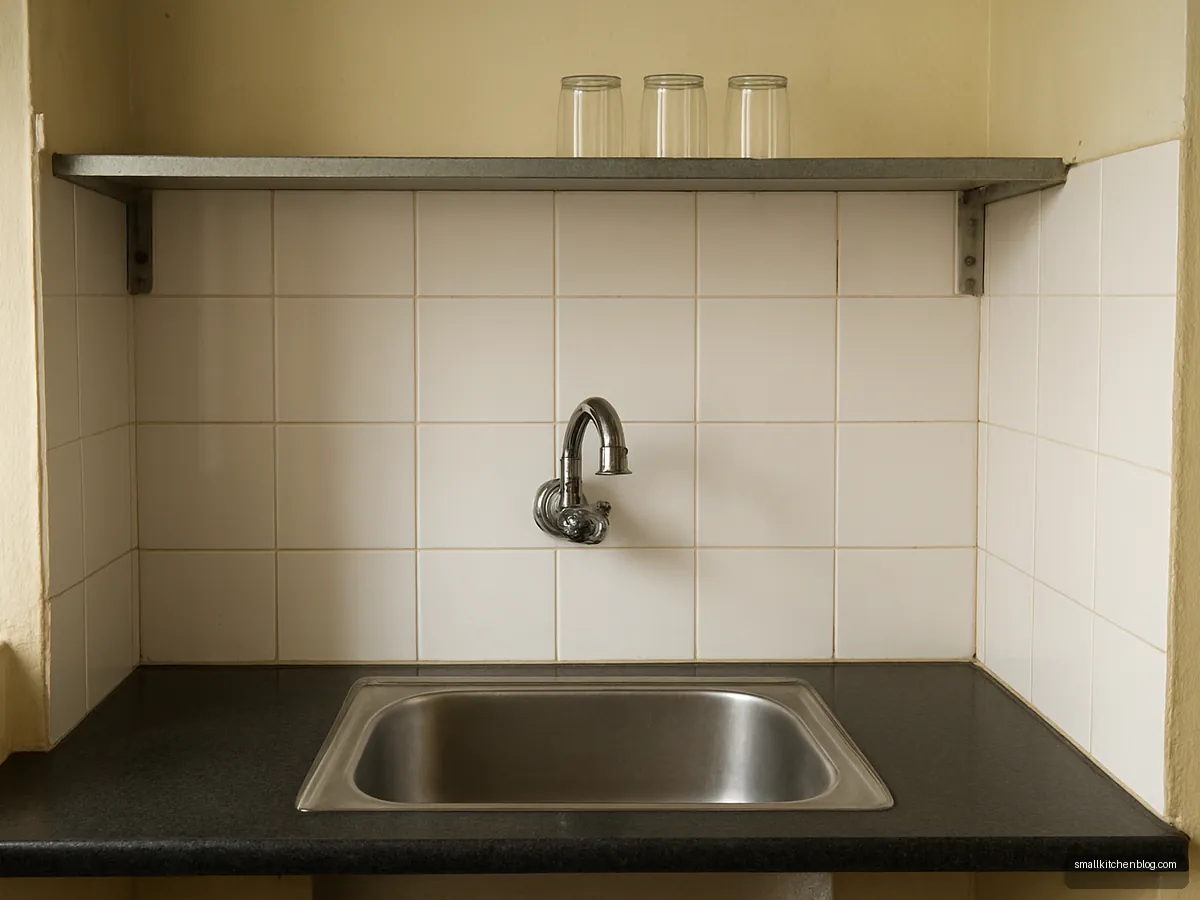
Budget Steel Sink Under Open Shelf
A plain SS 304 single bowl with an open shelf above for daily glasses keeps cost down and is easy to maintain. Fine for rented homes and simple kitchens.

Undermount Sink In Grey Quartz
Undermounting means no rim to trap dirt, so you can wipe crumbs straight into the sink. It needs a solid stone counter like quartz or granite with a polished cut-out edge.
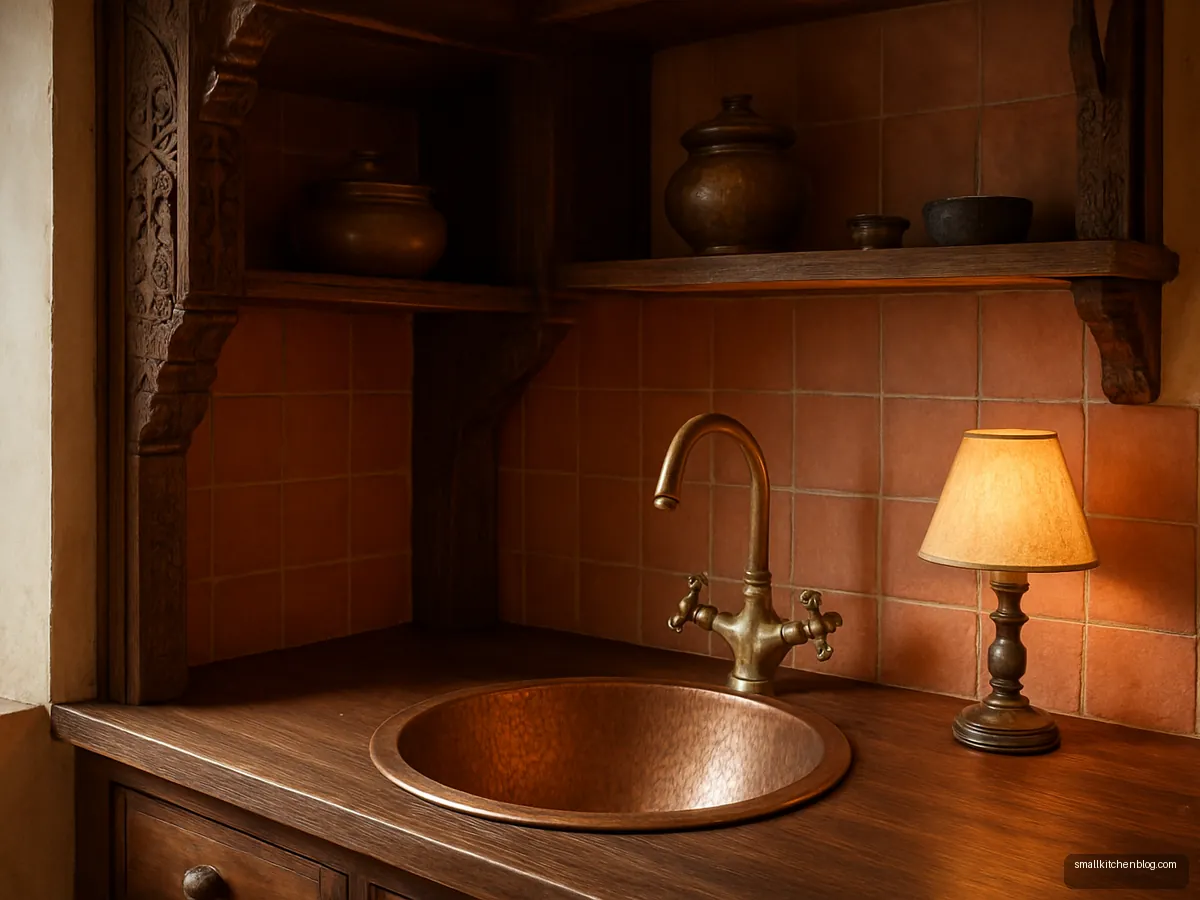
Handmade Copper Look Basin
A hammered copper-finish sink suits warm, traditional kitchens. It needs regular care and will patina. Better as a statement in a less-used bar or secondary sink.
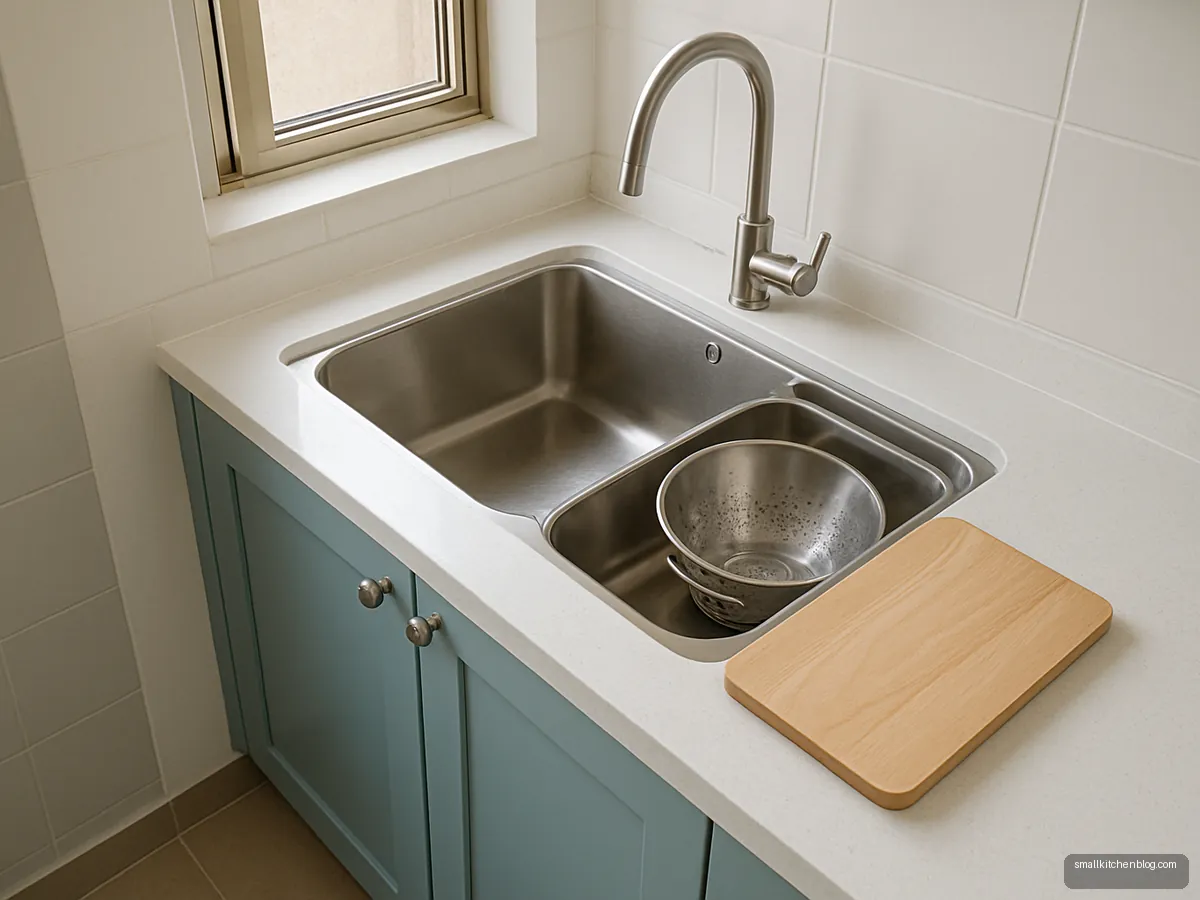
Workstation Sink With Prep Ledges
A workstation sink has ledges for a chopping board and colander that slide over the bowl, turning the sink into a prep station. Useful in small kitchens with little counter.
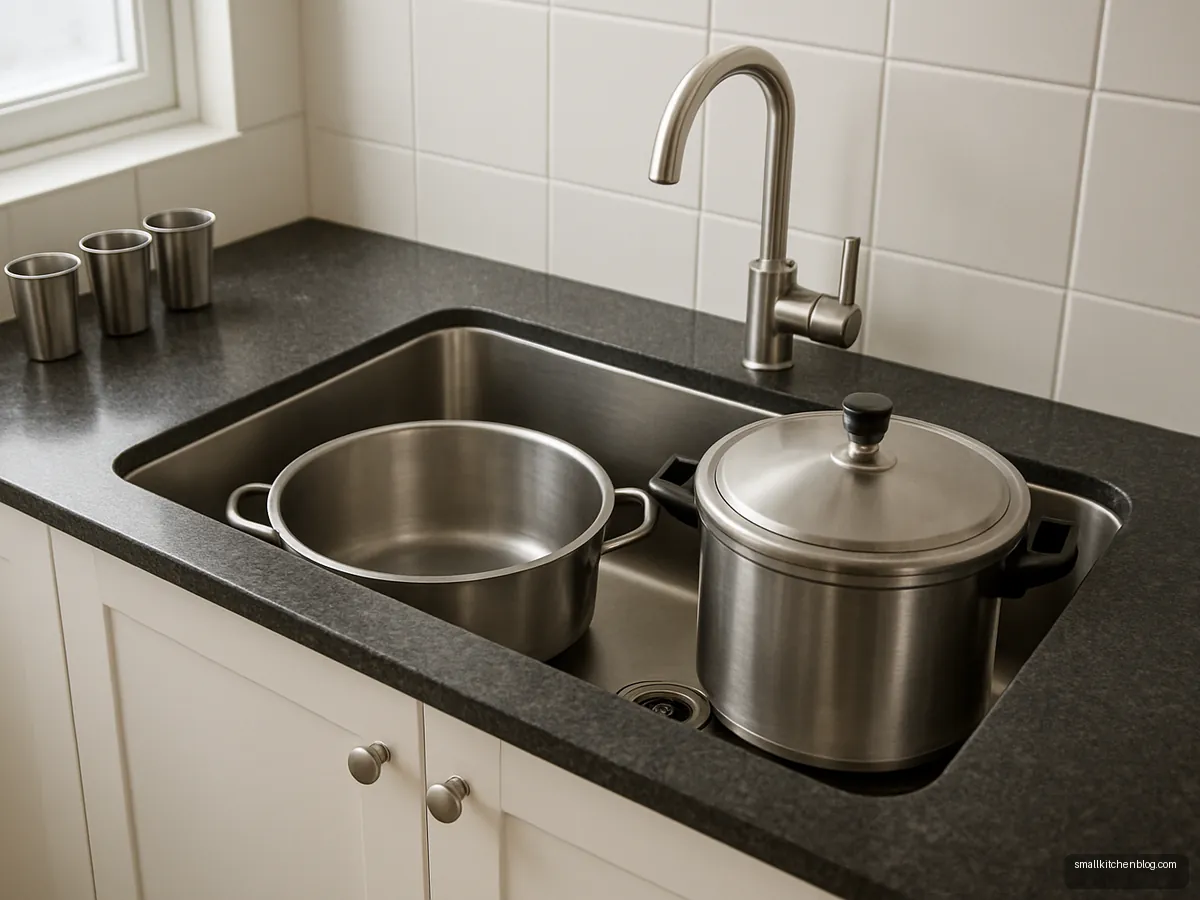
Deep Single Bowl For Patilas
A deep, wide single bowl fits a big patila or pressure cooker flat. Pick a sound-damping underside to cut the noise of steel vessels. Suits joint families that cook in large quantities every day.

White Ceramic Sink In Wood Counter
A white ceramic inset sink against a wooden counter gives a soft Scandinavian look. Seal the wood around the sink well, as wood and standing water do not mix.
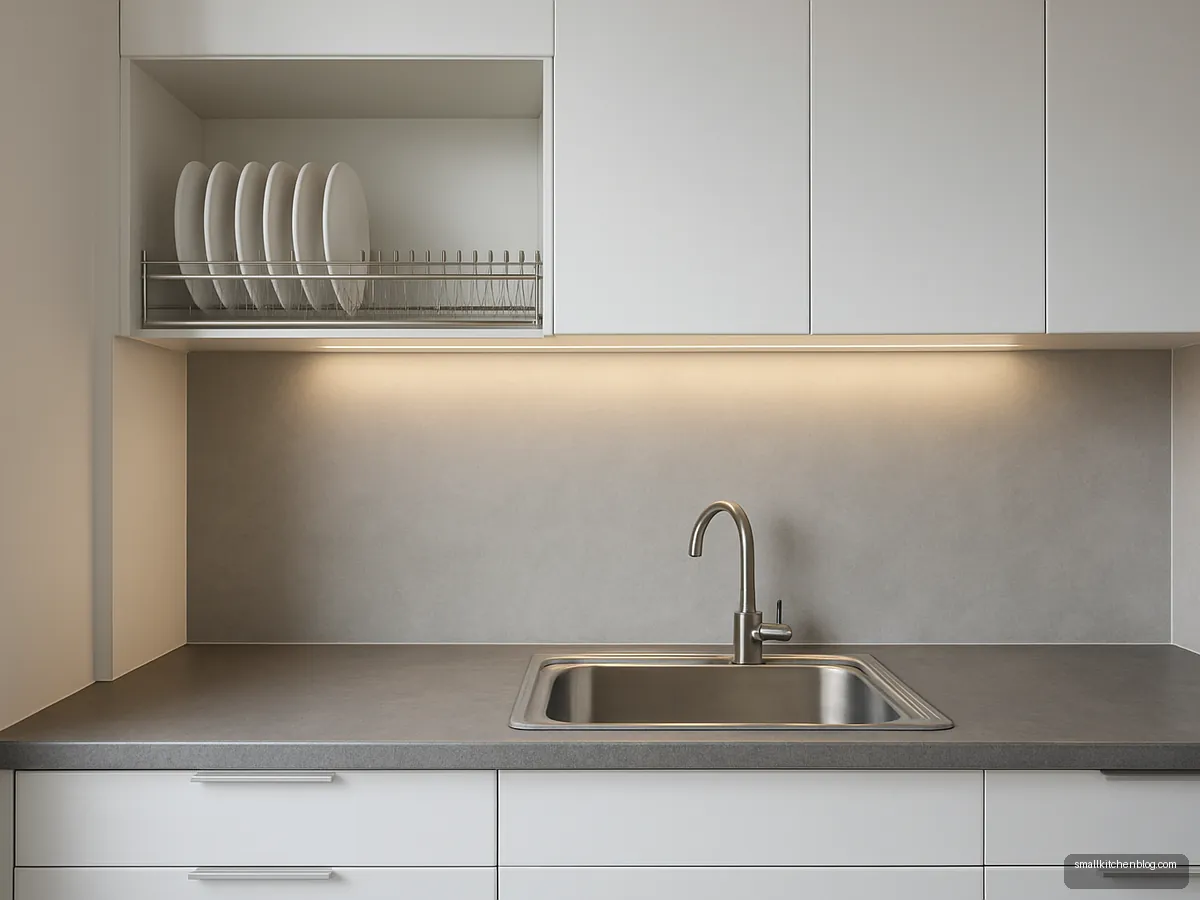
Sink Under Uppers With Dish Drainer
With no window, place the sink under a wall cabinet with a built-in dish drainer that drips straight into the bowl. Saves counter space in small flats.
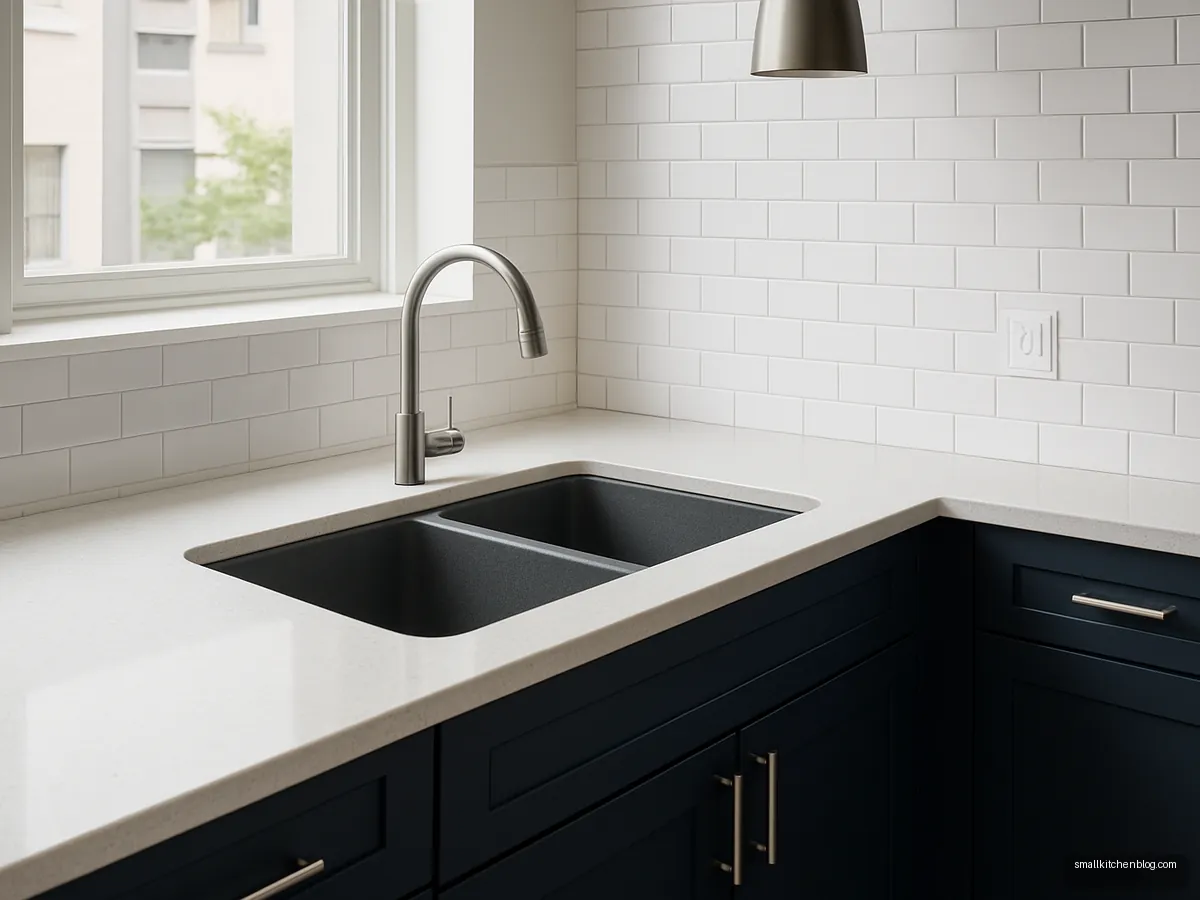
Grey Granite Composite Twin Sink
A twin-bowl granite composite sink in grey resists scratches and suits families wanting a non-steel look. Grey hides hard water marks well, which helps in cities with hard borewell water.
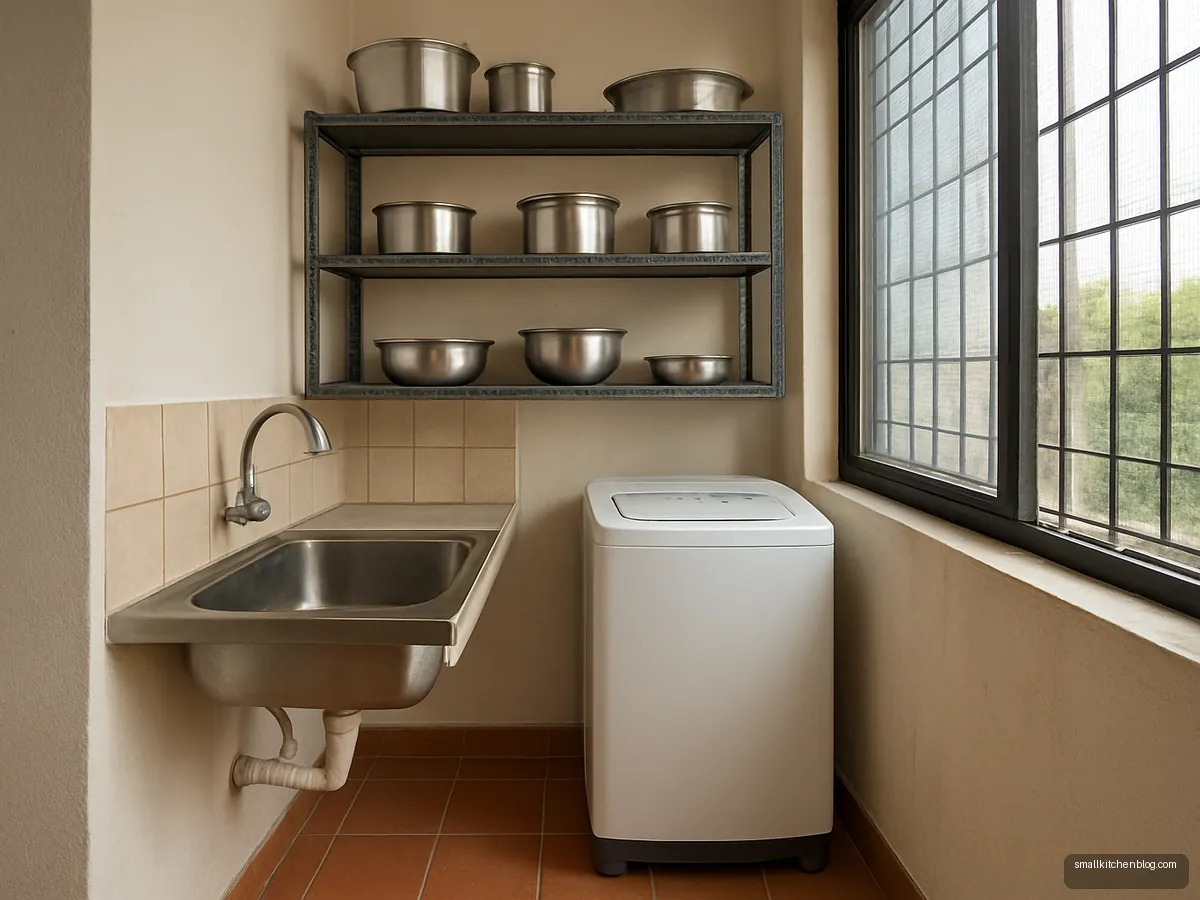
Utility Balcony Wash Sink
Many Indian homes move heavy vessel washing to the utility balcony. A deep steel sink there keeps the kitchen sink free for daily use and keeps dirty water out of the main room.
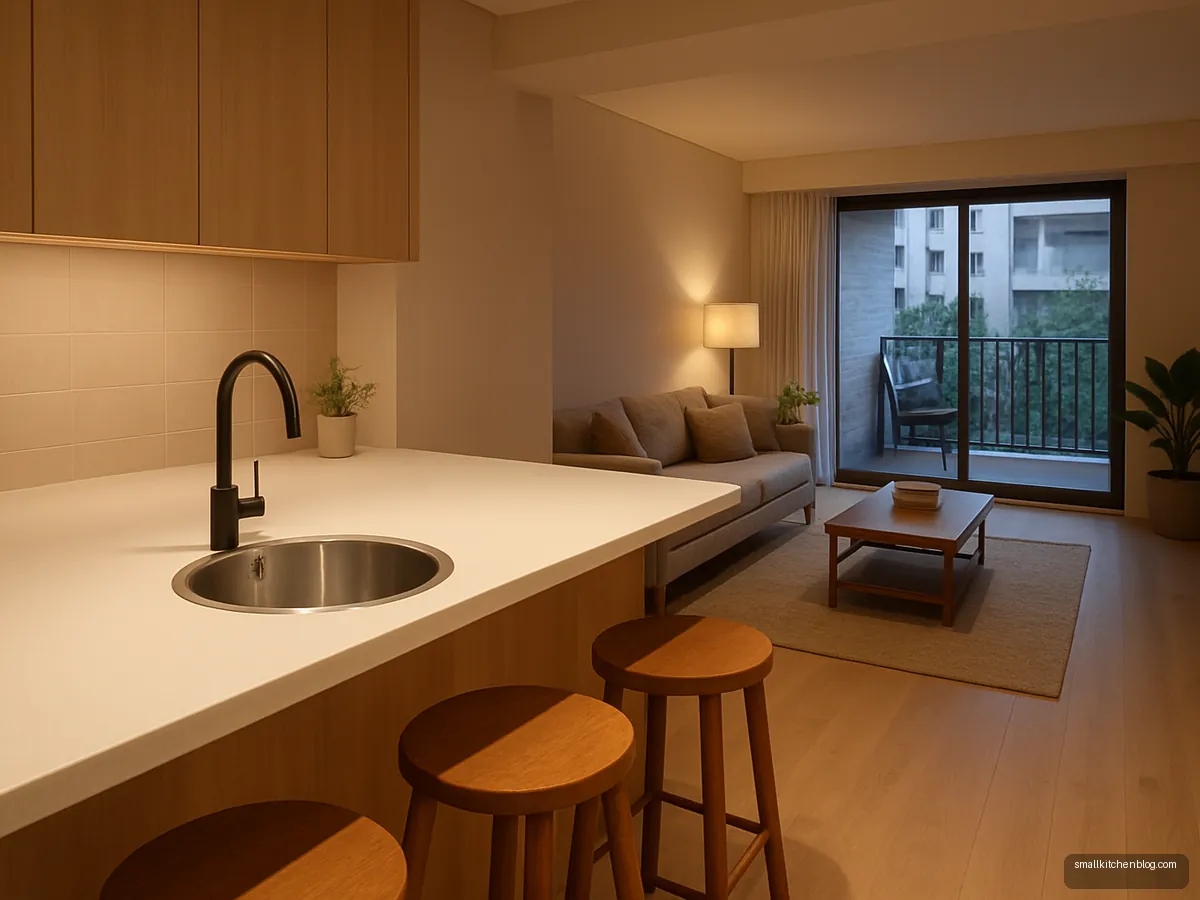
Round Bar Sink In Breakfast Counter
A small round sink in the breakfast counter of an open kitchen handles drinks and rinsing without crowding the main sink. Useful in homes that entertain often.
Illustrative design concepts. Sizes, finishes and prices vary by maker and city, so confirm details with your designer or carpenter.
The sink is the busiest spot in an Indian kitchen. Steel vessels, pressure cookers, kadais crusted with masala and vegetables that need washing all pass through it, often several times a day. A sink that is too small, too shallow or in the wrong place makes every meal harder.
This page covers sink materials (including the SS 304 vs 202 question), bowl types, drainboards, placement and the landing space you need around it, with 16 sink ideas.
Stainless steel: SS 304 vs SS 202
Most Indian kitchen sinks are stainless steel, but the grade matters. Ruhe (Aug 2024) explains that SS 304 has about 18% chromium and about 8% nickel, which makes it more resistant to corrosion and oxidation. SS 202 has less nickel and more manganese, and is more prone to rust, especially in coastal areas.
| Grade | Composition (Ruhe) | Rust resistance | Best for |
|---|---|---|---|
| SS 304 | ~18% chromium, ~8% nickel | Higher | Most homes, essential in coastal cities |
| SS 202 | Lower nickel, higher manganese | Lower, poor near the coast | Very tight budgets, dry inland areas |
Ask the seller to state the grade on the invoice. An unlabelled cheap sink may well be 202.
Other sink materials
- Quartz or granite composite: resin-bound stone; resists scratches, hides water spots, comes in black, grey and white. Heavy pans dropped from a height can chip it.
- Ceramic or fireclay: glossy, classic, heavy; can chip under cast iron.
- Copper finish: decorative; develops patina and needs care. Better for a bar or secondary sink.
For daily Indian cooking with heavy steel and iron vessels, stainless steel stays the most forgiving choice.
Single bowl, double bowl or drainboard
Single large bowl: best for big vessels like patilas and pressure cookers; needs less counter. Double bowl: one side for soaking, one for rinsing; needs a longer run. Drainboard: a ribbed drying area attached to the sink; useful in Indian kitchens where vessels are hand-washed and air-dried, but it uses counter length. Workstation sink: has ledges for a chopping board and colander, making the sink a prep zone in small kitchens.
In a small kitchen, a single large bowl with a dish drainer above is often better than a double bowl that leaves no chopping space. Hettich makes dish drainer fittings for 600 and 900 mm wall cabinets.
Where to place the kitchen sink
- Start with plumbing. Moving drains is expensive and messy, so place the sink near existing drain and water lines.
- Use the window if you can. Light and air over the sink make washing up more pleasant and help dry the area.
- Leave landing space. NKBA suggests 24 in on one side and 18 in on the other, and a continuous prep area 36 in wide by 24 in deep beside the sink.
- Keep the work triangle tight. NKBA suggests each leg between sink, hob and fridge of 4 to 9 ft, with the total no more than 26 ft.
- Separate from the hob. Keep at least a chopping space between them so splashes do not reach the flame.
- Keep sockets away. Studio Matrx advises sockets away from the sink and hob splash zone, with kitchen circuits on an RCCB.
Vastu traditions suggest placing the sink in the north or northeast and keeping it apart from the stove. These are beliefs; see kitchen vastu for more.
The cabinet under the sink
This is the wettest cabinet in the kitchen. Greenply recommends BWP plywood (IS 710) for the sink unit, and CenturyPly says HDHMR is moisture-resistant but not waterproof. Leave the base open at the back for pipes, fit a bin pull-out (Hettich bin systems need a minimum 350 or 400 mm cabinet), and avoid storing rice or atta here. Line the base with an aluminium or PVC mat that is easy to wipe. More on board choices is on our modular kitchen design page.
Taps, accessories and care
A tall swan-neck or pull-down tap makes filling big vessels easier. Wall-mounted taps keep the counter clear and suit Indian sinks with a high splash. A water purifier needs its own space and point near the sink; plan it early. Clean steel sinks with a soft scrub and mild soap; avoid steel wool, which leaves scratches that hold stains. Check the waste coupling and trap every few months for leaks. Explore more around the sink on our kitchen platform design, kitchen window design and granite countertop pages.
Frequently asked questions
Which kitchen sink is best, SS 304 or 202?
SS 304 is the safer choice for most homes. Ruhe explains it has about 18% chromium and 8% nickel, making it more resistant to corrosion than SS 202, which has less nickel and more manganese and rusts more easily, especially near the coast. Ask for the grade to be written on the invoice.
Single bowl or double bowl sink for an Indian kitchen?
A large single bowl handles big vessels like patilas and pressure cookers better and needs less counter. A double bowl lets you soak in one and rinse in the other, but it needs a longer counter run. In small kitchens, a single large bowl plus a dish drainer above usually works better.
Kitchen sink kahan lagana chahiye?
Place it where drain and water lines already run, ideally below a window for light and air. NKBA suggests 24 in of counter on one side and 18 in on the other. Keep the sink and hob apart with chopping space between, and keep electrical sockets out of the splash zone.
Is a drainboard sink useful in India?
Yes, for families that hand-wash and air-dry steel vessels. The ribbed drainboard drains water back into the sink and replaces a counter dish rack. The trade-off is counter length. If space is tight, choose a sink without a drainboard and fit a dish drainer in the wall cabinet above.
What material should the cabinet under the sink be?
Greenply recommends BWP plywood (IS 710) for the sink unit because it passes a 72-hour boiling water test. CenturyPly notes HDHMR is moisture-resistant, not waterproof. Leave room for pipes, add a bin pull-out, and line the base with a wipeable mat.
Are black composite sinks good for Indian cooking?
They resist scratches and hide water spots, and look good in modern kitchens. The risk is chipping if heavy iron tawas or kadais are dropped into them. If you cook heavily with iron vessels every day, a thick stainless steel sink remains the more forgiving option.
Sources: Ruhe, 202 vs 304 sinks (Aug 2024) · NKBA Kitchen Planning Guidelines · Greenply, BWP vs BWR · CenturyPly, HDHMR vs plywood · Hettich Kitchen Design Collection Book Vol III · Studio Matrx, kitchen electrical guide · L&T Realty, vastu for kitchen. Figures checked 14 October 2026; prices and rates change, so confirm locally.