Kitchen Wall Tiles Design: Simple and Modern Ideas
Wall tile ideas for Indian kitchens, from plain budget dado to full-height slabs: how high to tile, which type and finish to use, grout that hides turmeric, and easy cleaning.
- Backsplash height
- 18 in (Asian Paints Beautiful Homes)
- Counter to upper cabinet gap
- 18 to 21 in (Design Cafe)
- Ceramic water absorption
- 3 to 7% (MaterialDepot)
- Ceramic thickness
- 6 to 8 mm
- Common wall sizes
- 300 x 450, 300 x 600 mm (Kajaria)
18 Kitchen Wall Tiles Design ideas
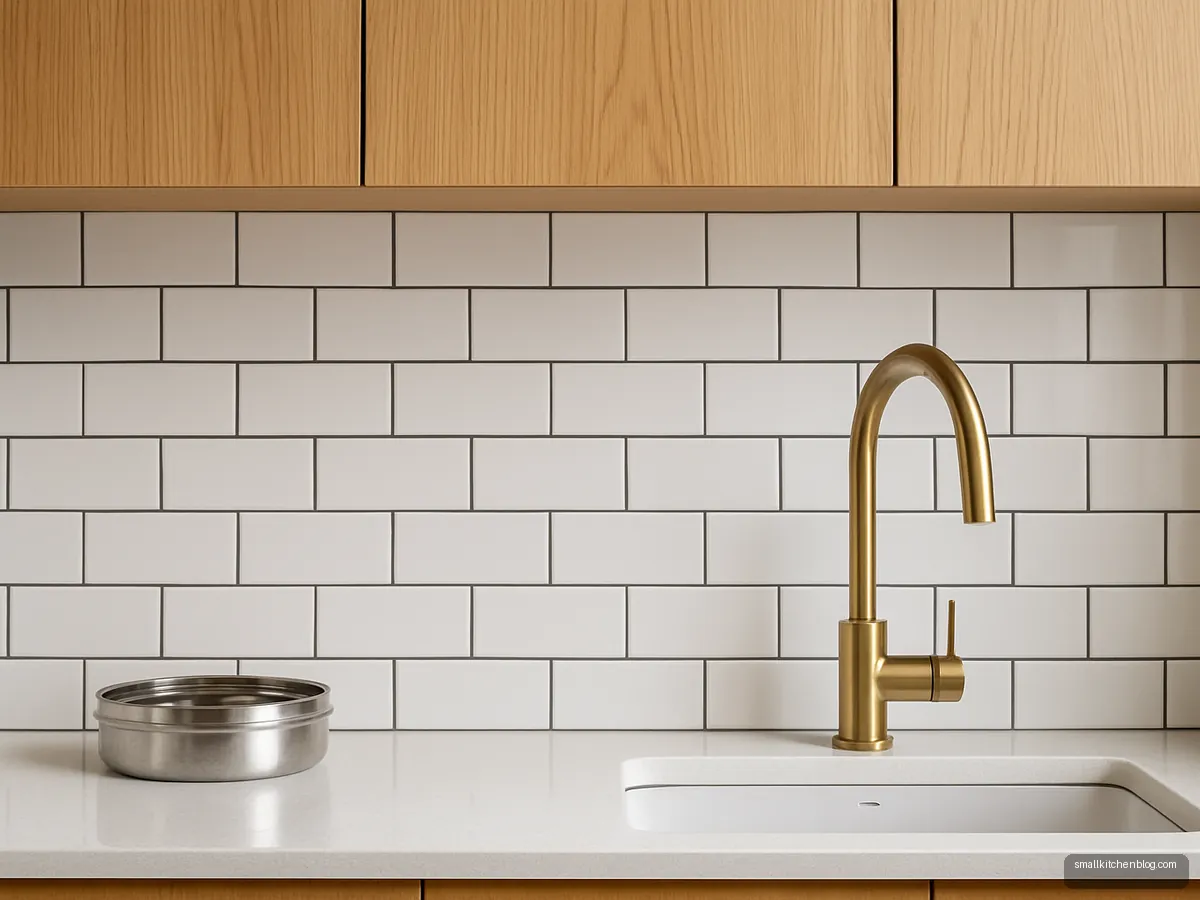
White Subway With Charcoal Grout
Classic white subway tiles with dark grout hide the yellowing that turmeric and oil leave in white grout. A safe, timeless pick for any cabinet colour.
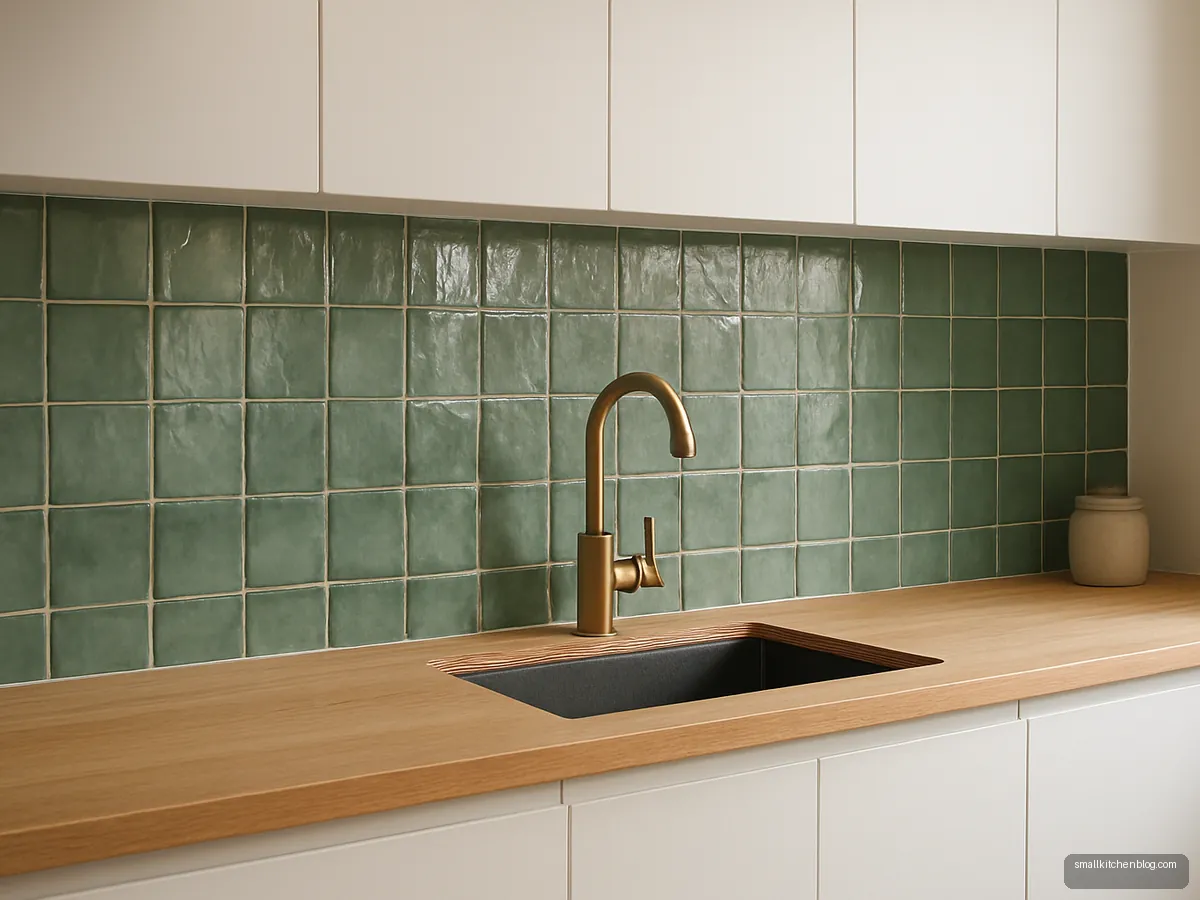
Sage Zellige Style Backsplash
Handmade-look sage tiles with uneven glaze give depth and soft colour. They suit plain white or wood cabinets. Expect slight variation between tiles, which is the point.
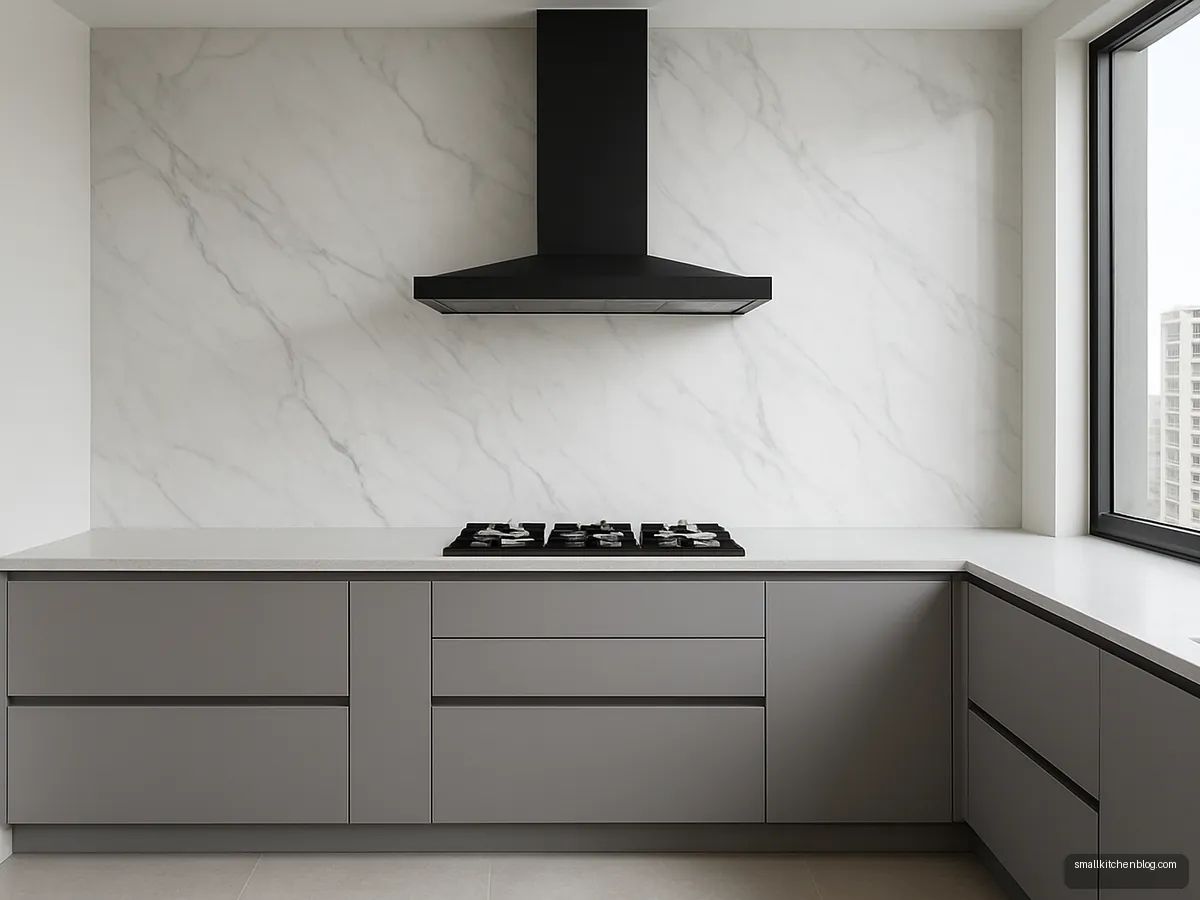
Full Height Large Slab Wall
One large-format slab tile from counter to ceiling means almost no grout lines to scrub. Works best behind the hob, where splashes are worst. Needs a skilled installer for big sizes.
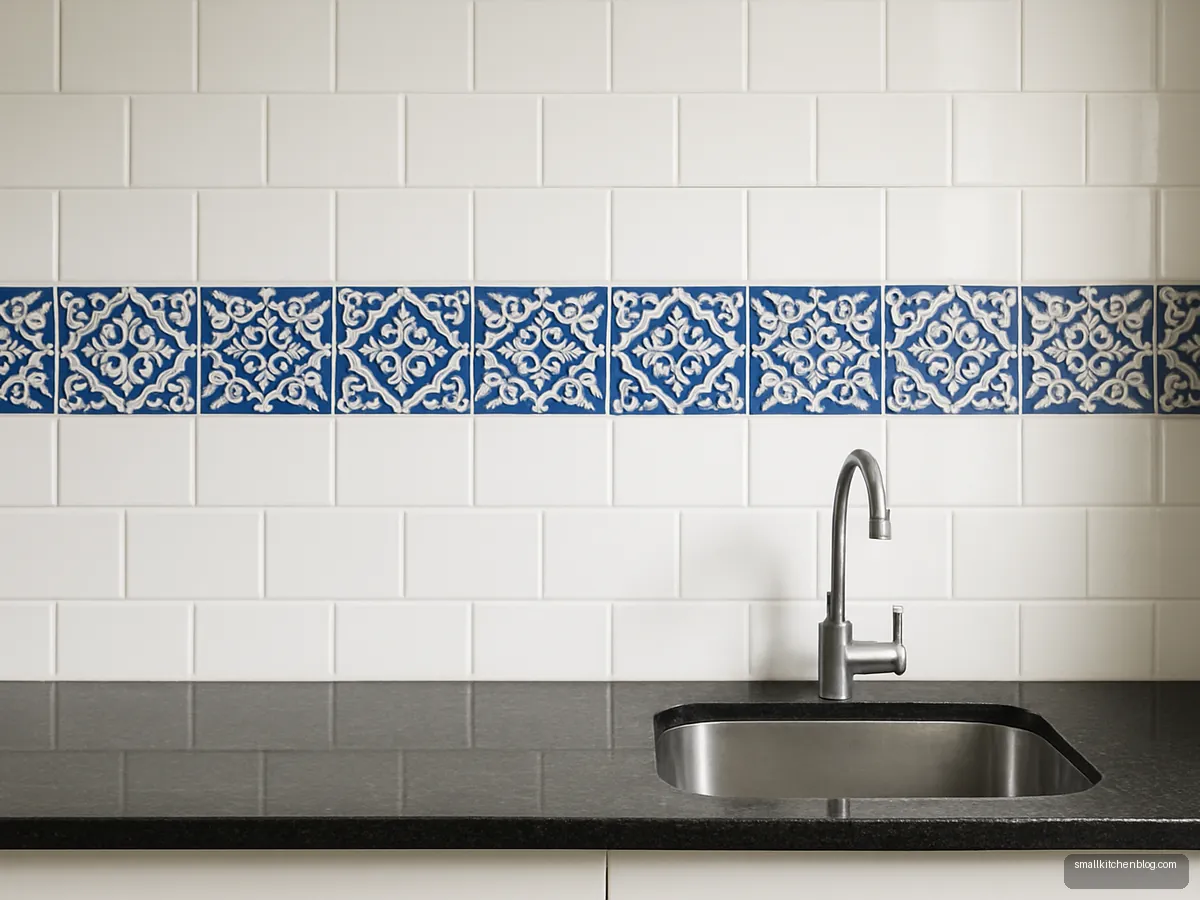
Blue Moroccan Highlighter Strip
A strip of blue patterned tiles at eye level between plain white tiles gives the classic Indian highlighter look without overdoing pattern. Keep the strip at the height you see most.
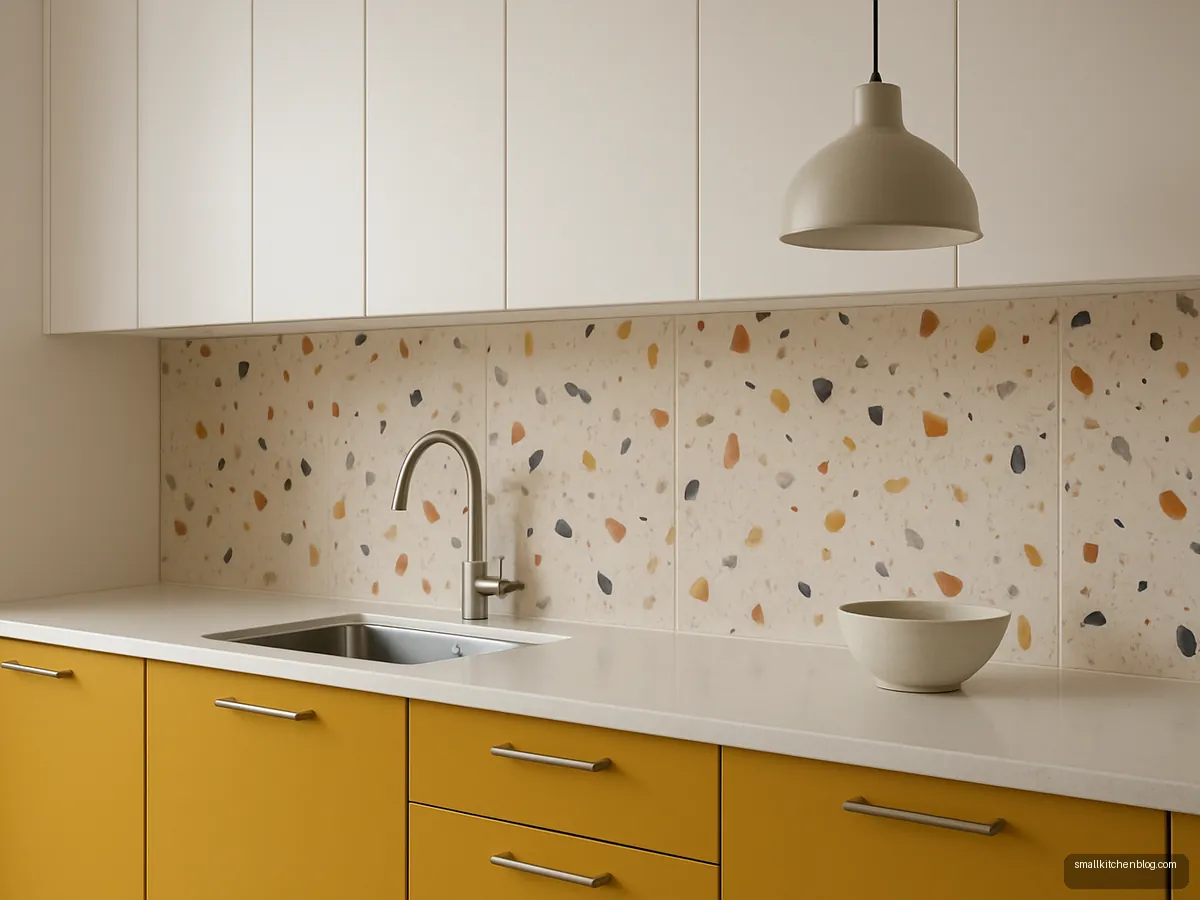
Terrazzo Look Wall Tiles
Speckled terrazzo-look tiles hide small splashes and suit both modern and retro kitchens. Pair with a plain counter so the pattern does not fight the stone.
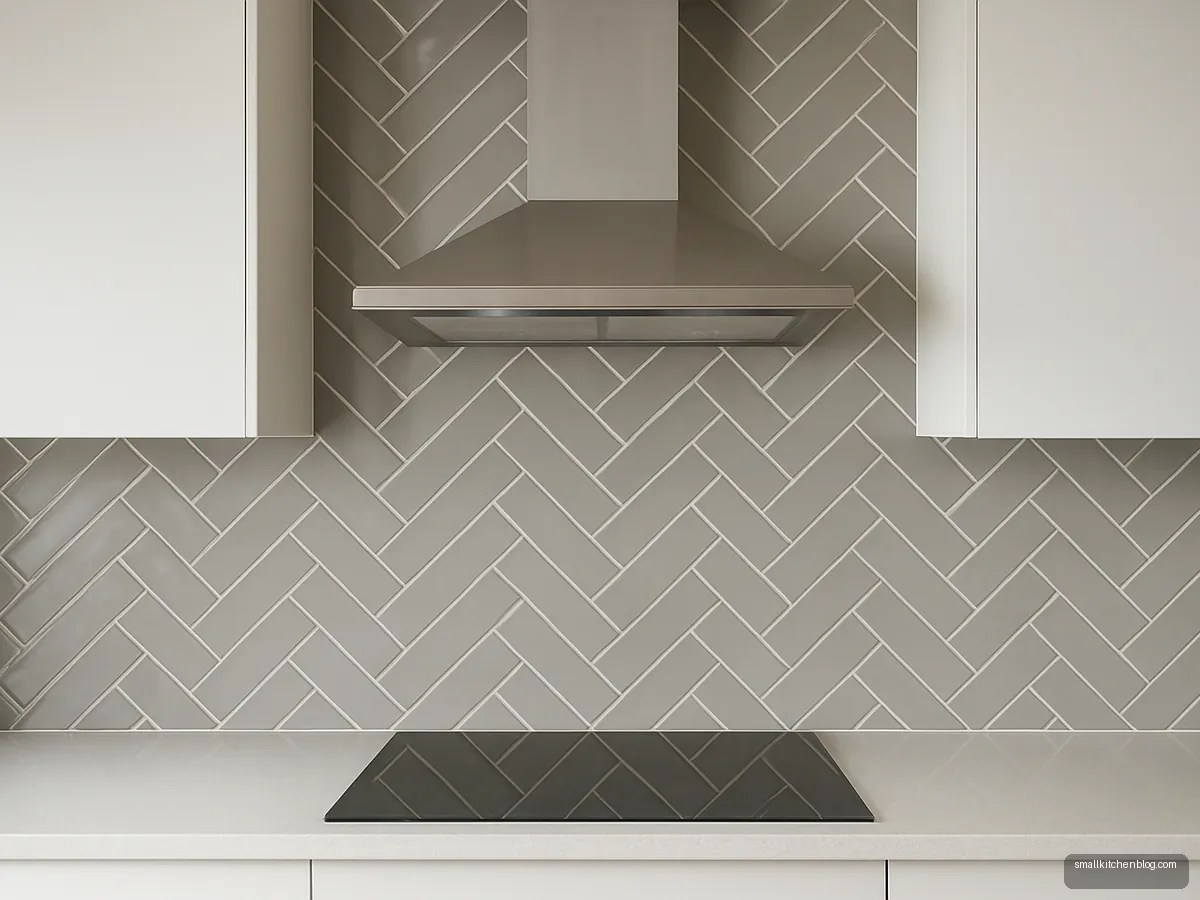
Grey Herringbone Behind Hob
Grey rectangles laid in herringbone add movement to a plain modern kitchen. Use a slightly glossy finish behind the hob so oil wipes off easily.
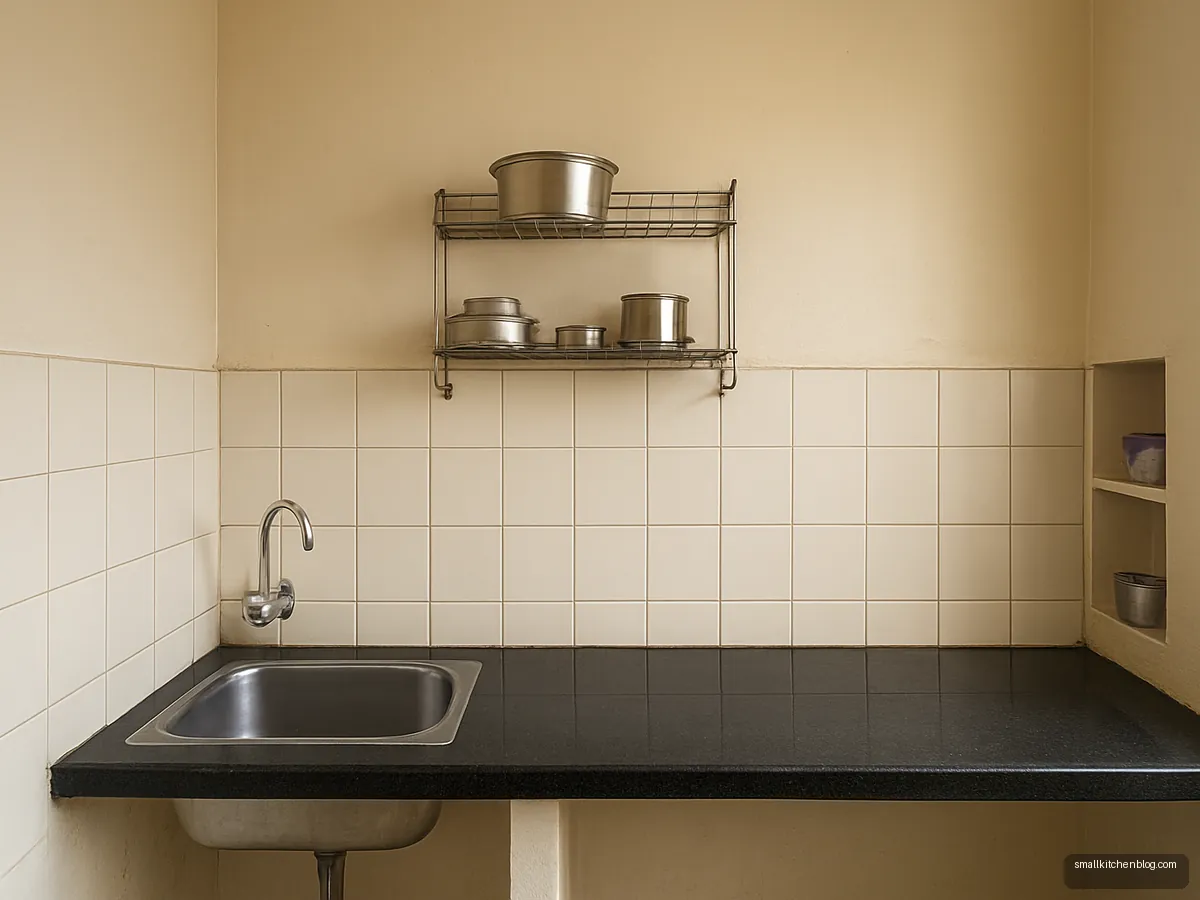
Budget Plain Ivory Dado
Plain ivory 300 x 450 tiles on the full counter wall is the most budget-friendly, easy-to-replace option. Matching grout gives a clean look; keep a box of spares for repairs.
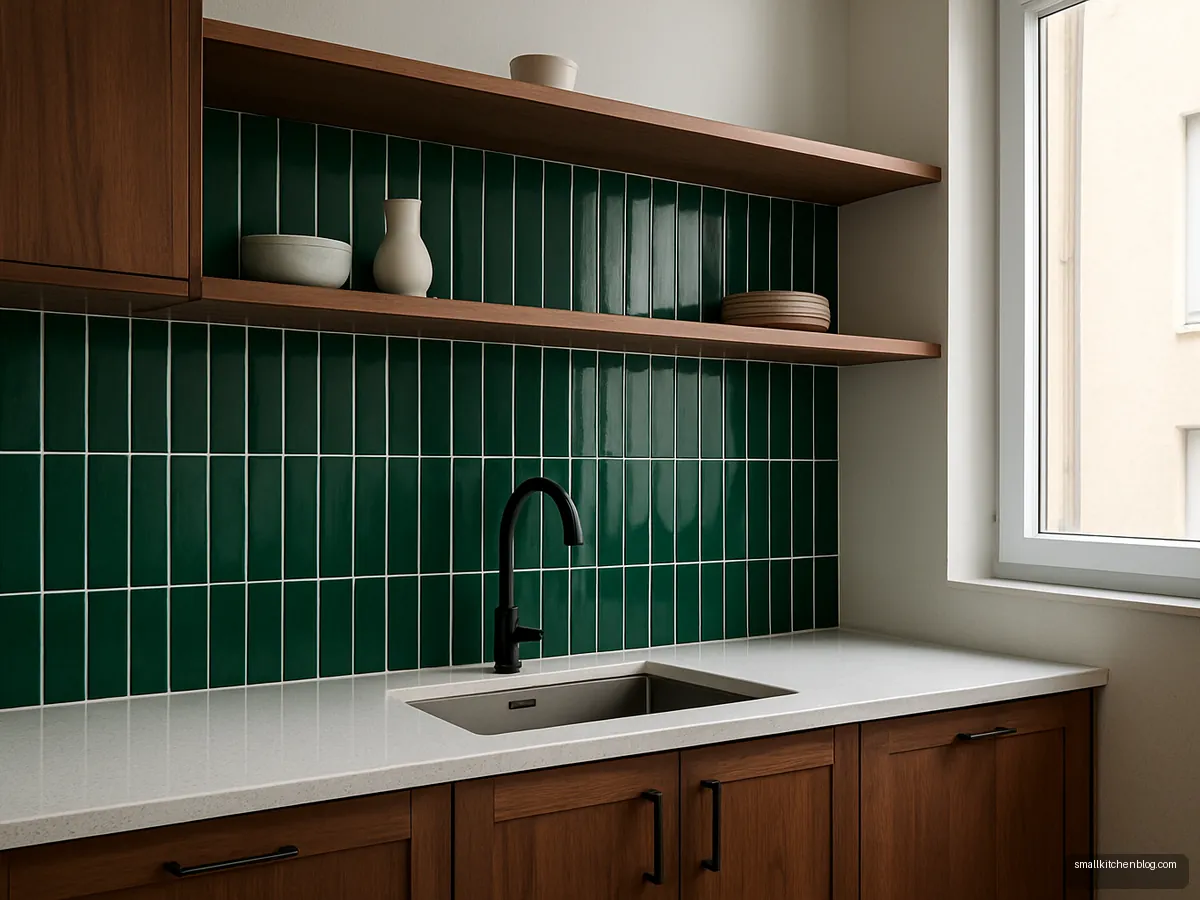
Stacked Bottle Green Finger Tiles
Vertical stacked finger tiles in bottle green make a small backsplash look taller. There are lots of grout lines, so seal them or use epoxy grout near the hob to stop oil soaking in.
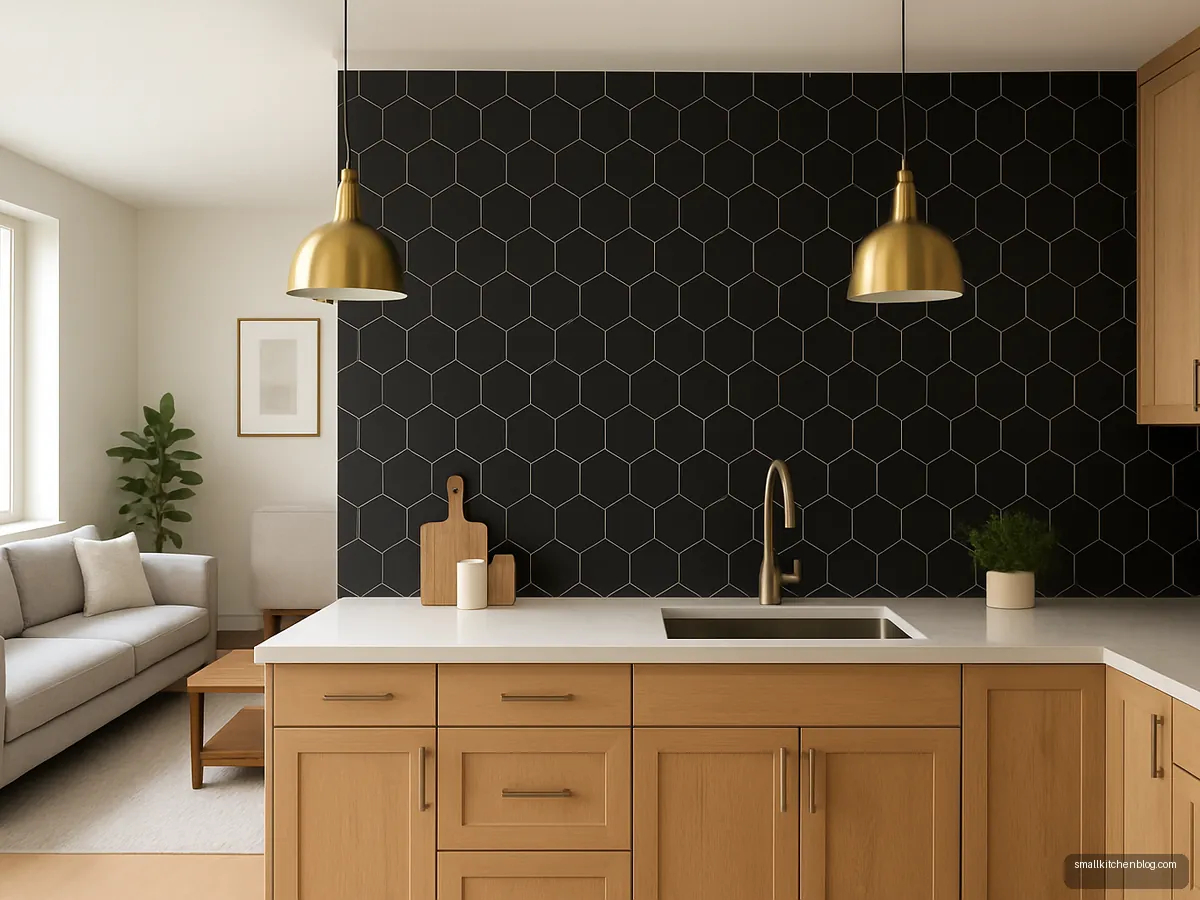
Black Hexagon Matte Wall
Matte black hexagons are a strong choice for open kitchens that need a feature wall. Matte hides water marks better than gloss but shows white oil haze, so wipe regularly.
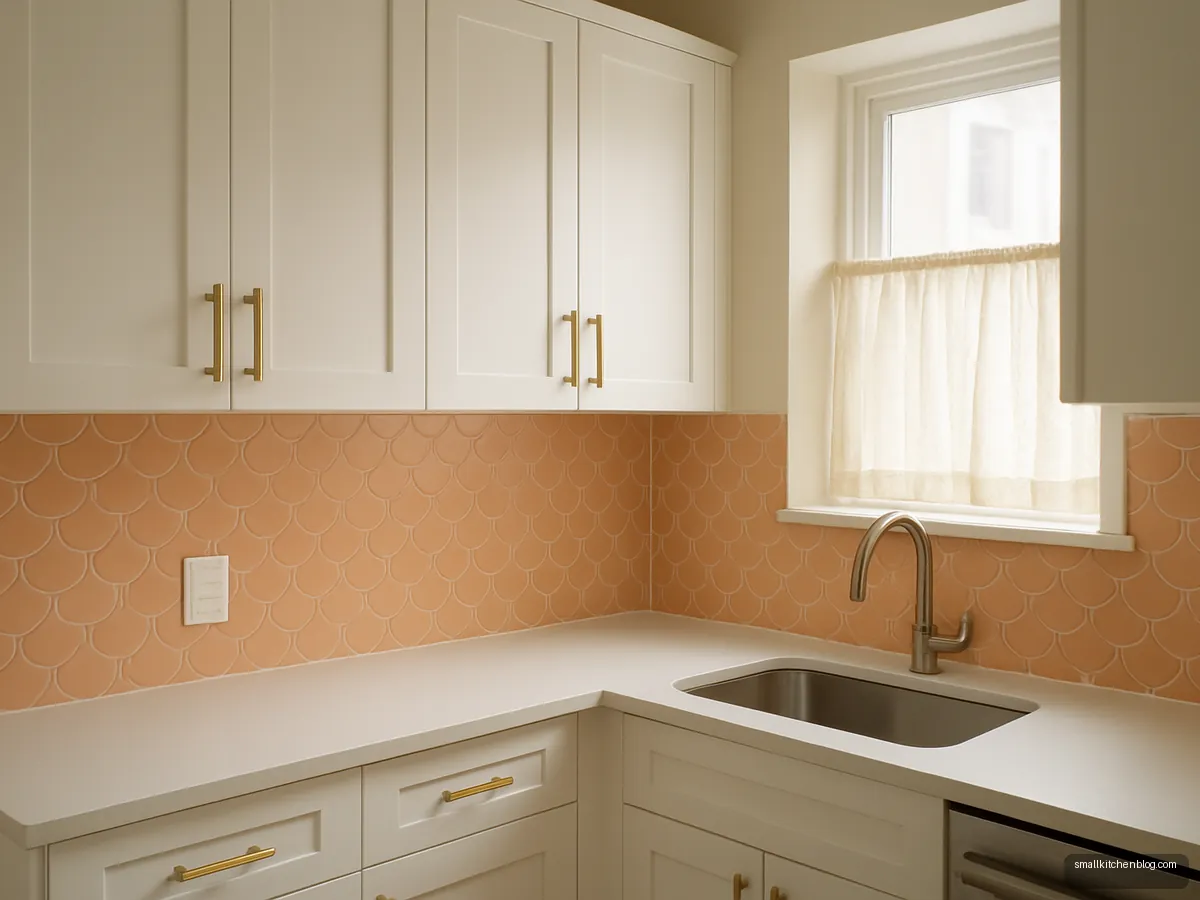
Peach Arch Tiles In Small Kitchen
Scallop or arch shaped tiles in soft peach add personality to a small kitchen. Keep the rest of the room quiet: white cabinets and a plain counter.
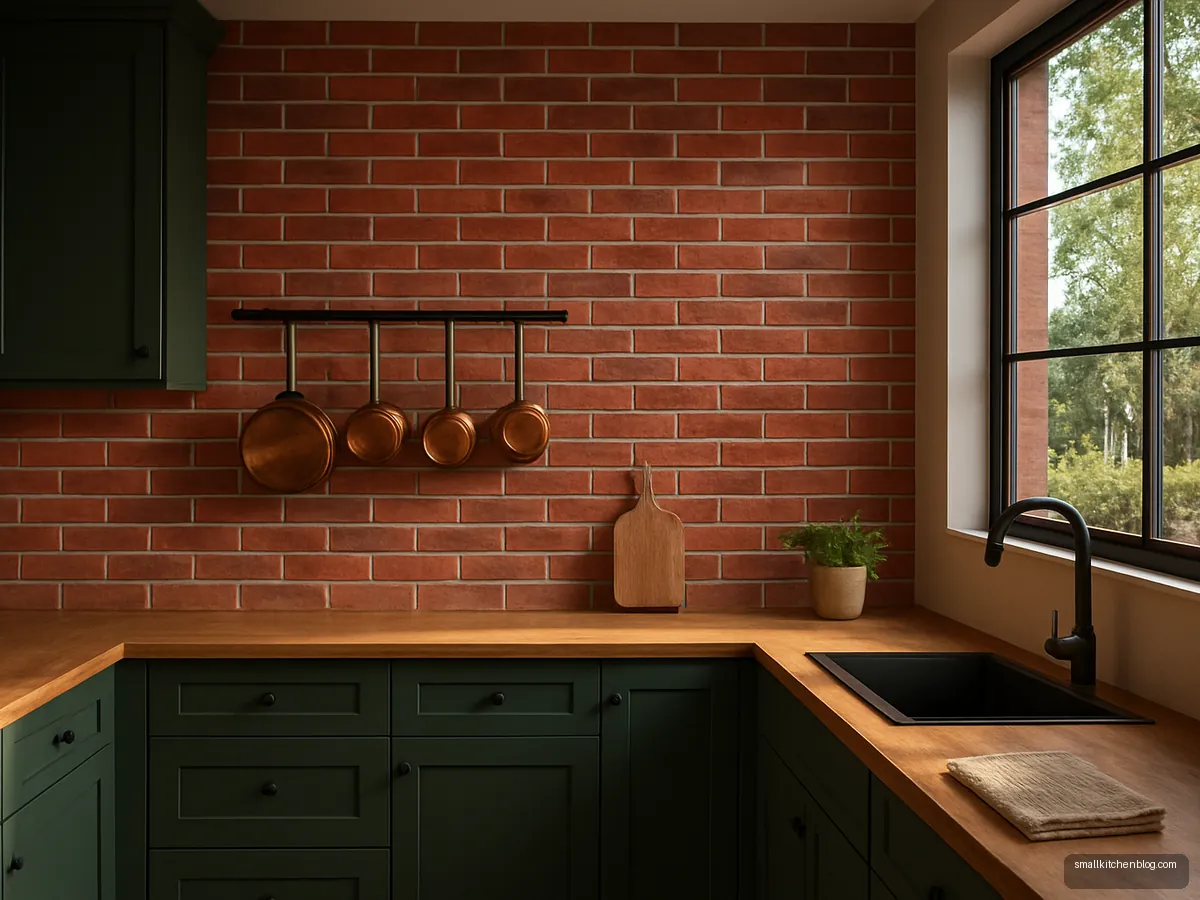
Brick Look Rustic Wall
Brick-look tiles give the warmth of exposed brick without the dust and sealing. Good for kitchens with wooden counters or a dhaba-inspired look. Choose a glazed version so oil wipes off.
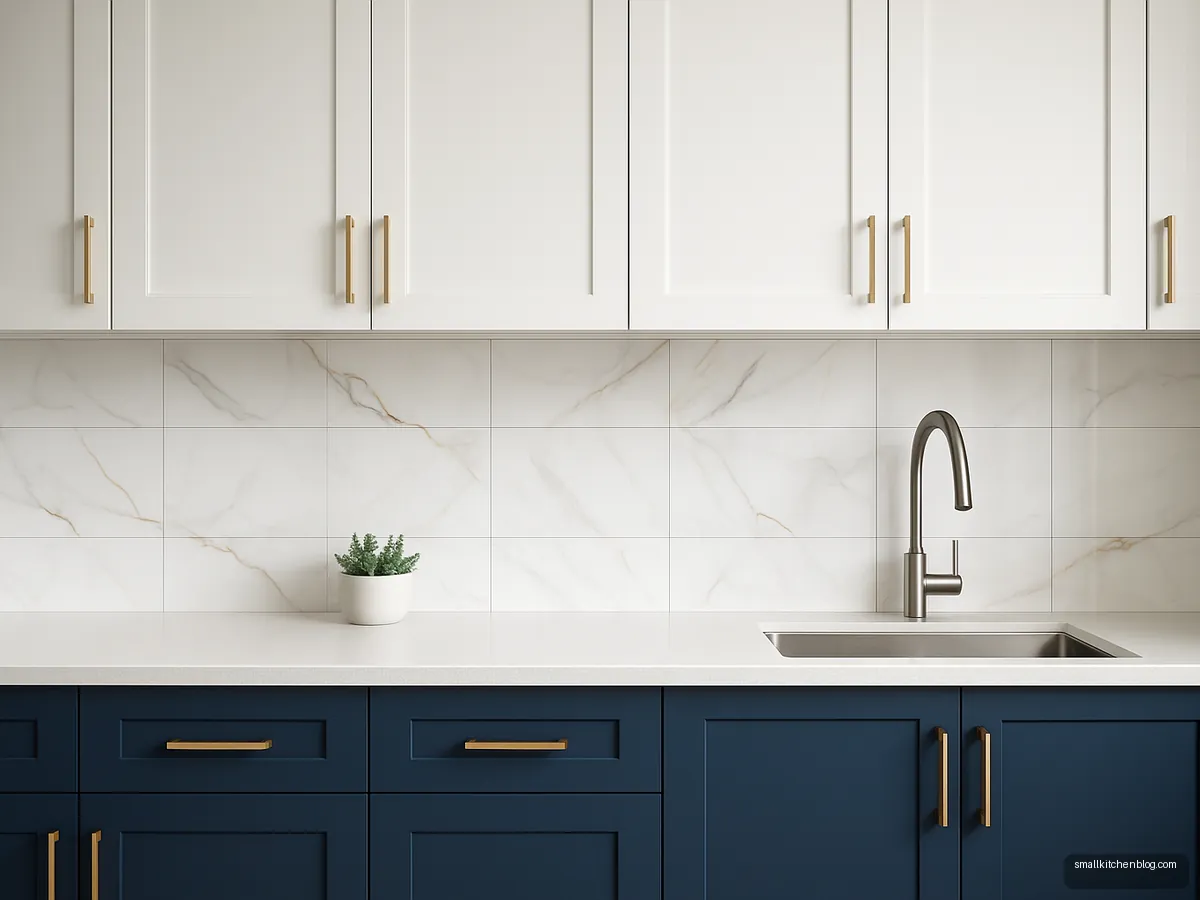
Calacatta Look Gloss Rectangles
Marble-look rectangles give a marble feel with ceramic's easy cleaning. Line up the veining across tiles for a book-matched effect behind the hob. Suits large flats where the kitchen is on view.
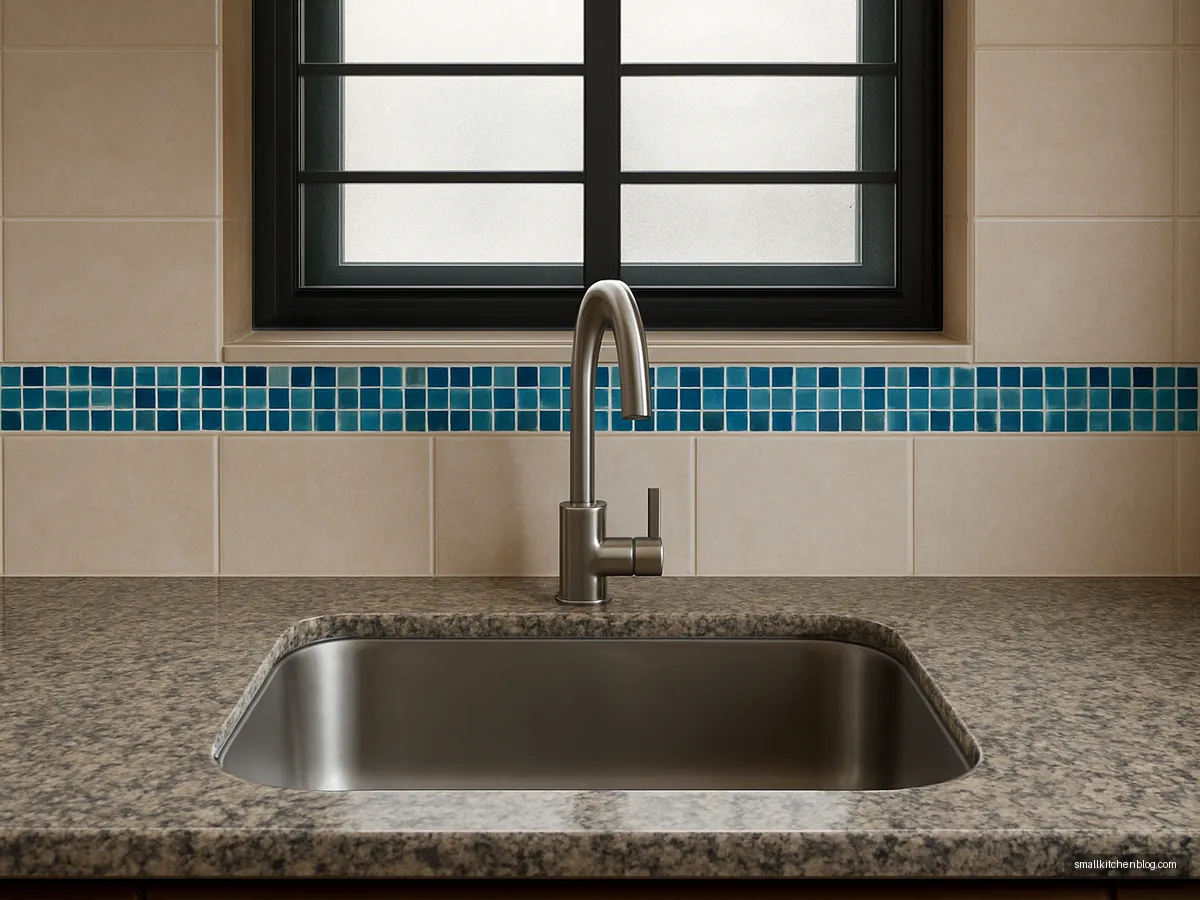
Mosaic Strip Over The Sink
A mosaic band only above the sink, with plain tiles elsewhere, keeps budget in check. Glass mosaic resists water stains, but the many joints need a good grout.
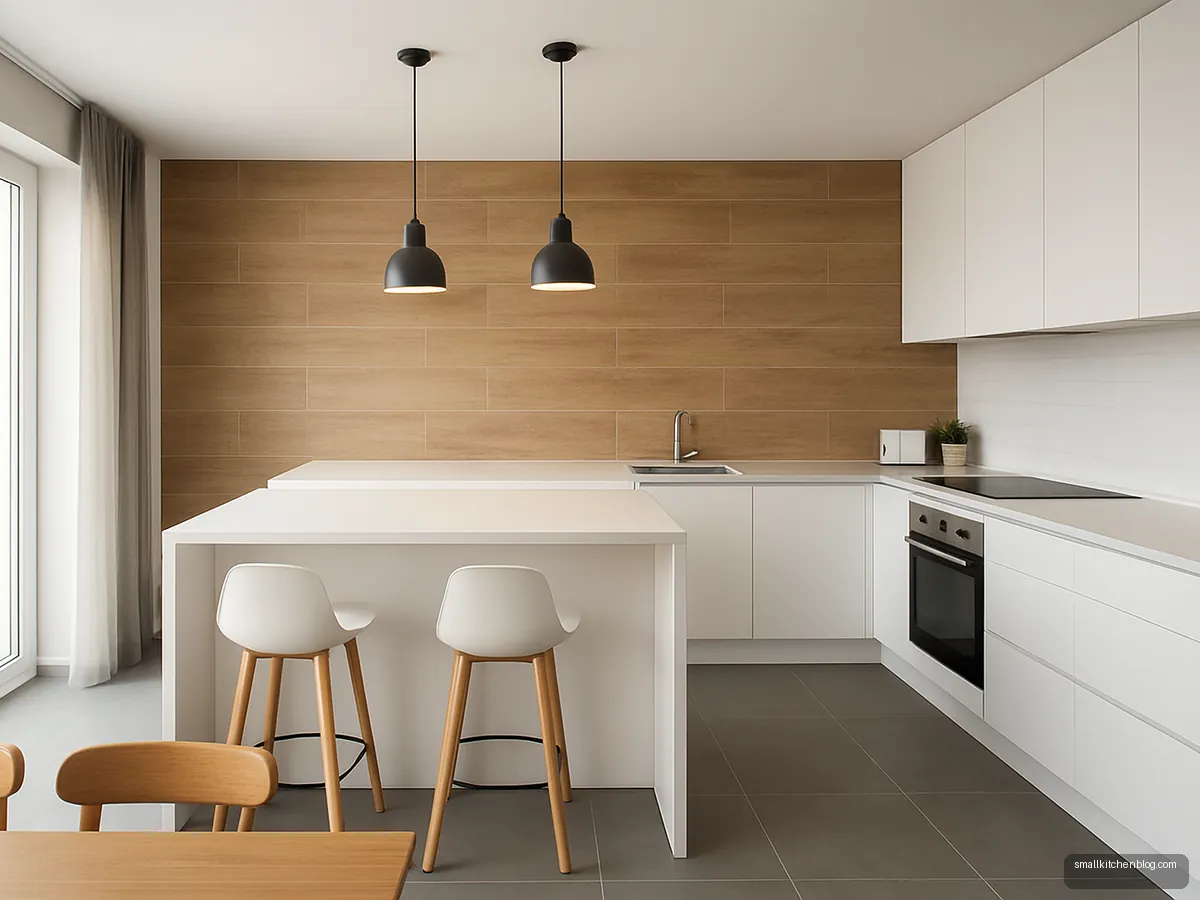
Wood Look Plank Tiles Wall
Wood-look plank tiles on the dining side of an open kitchen give warmth without the moisture problems real timber has near a sink. Use a matte finish so it reads like timber.
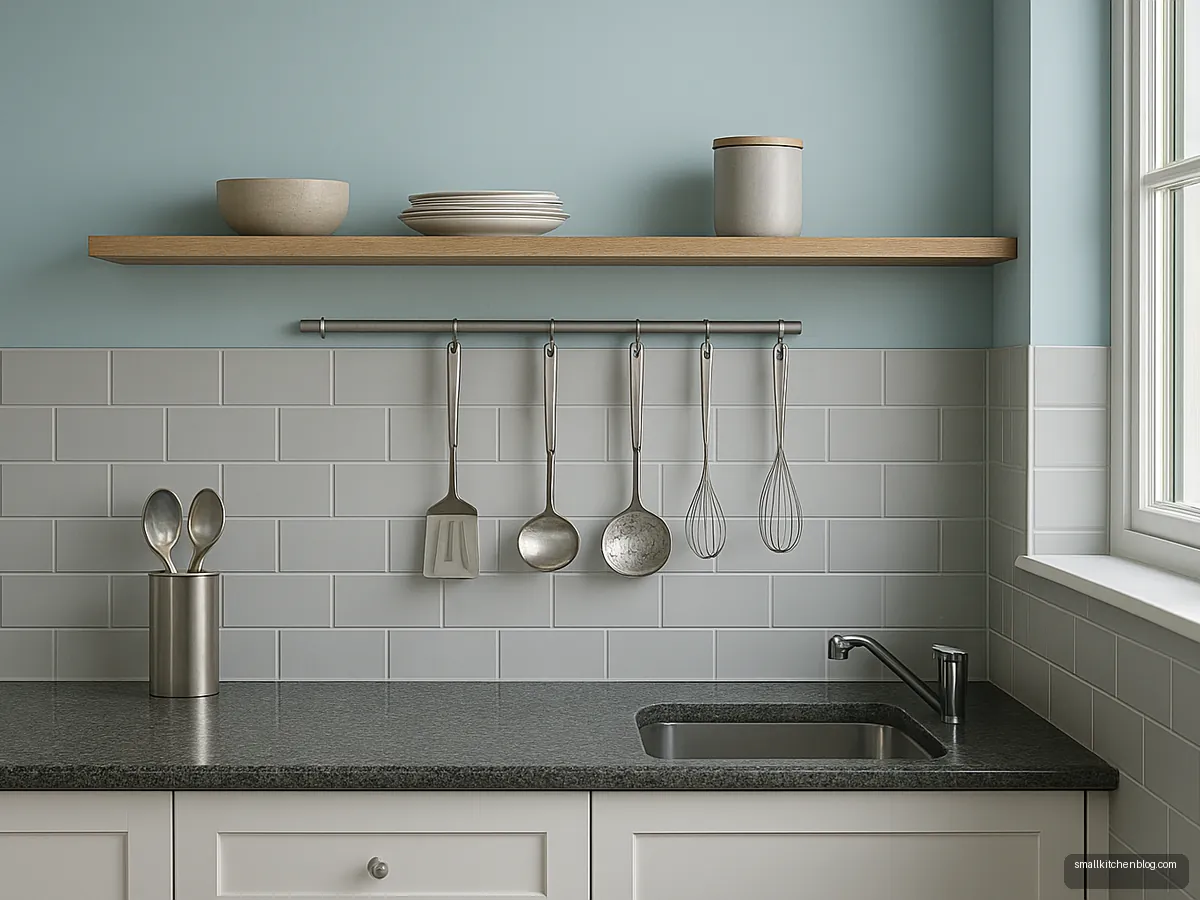
Two Tone Dado With Wall Paint
Tiles only to backsplash height with washable paint above is a sensible split in rented homes. Choose a dark grout and a light tile for low-maintenance cleaning.
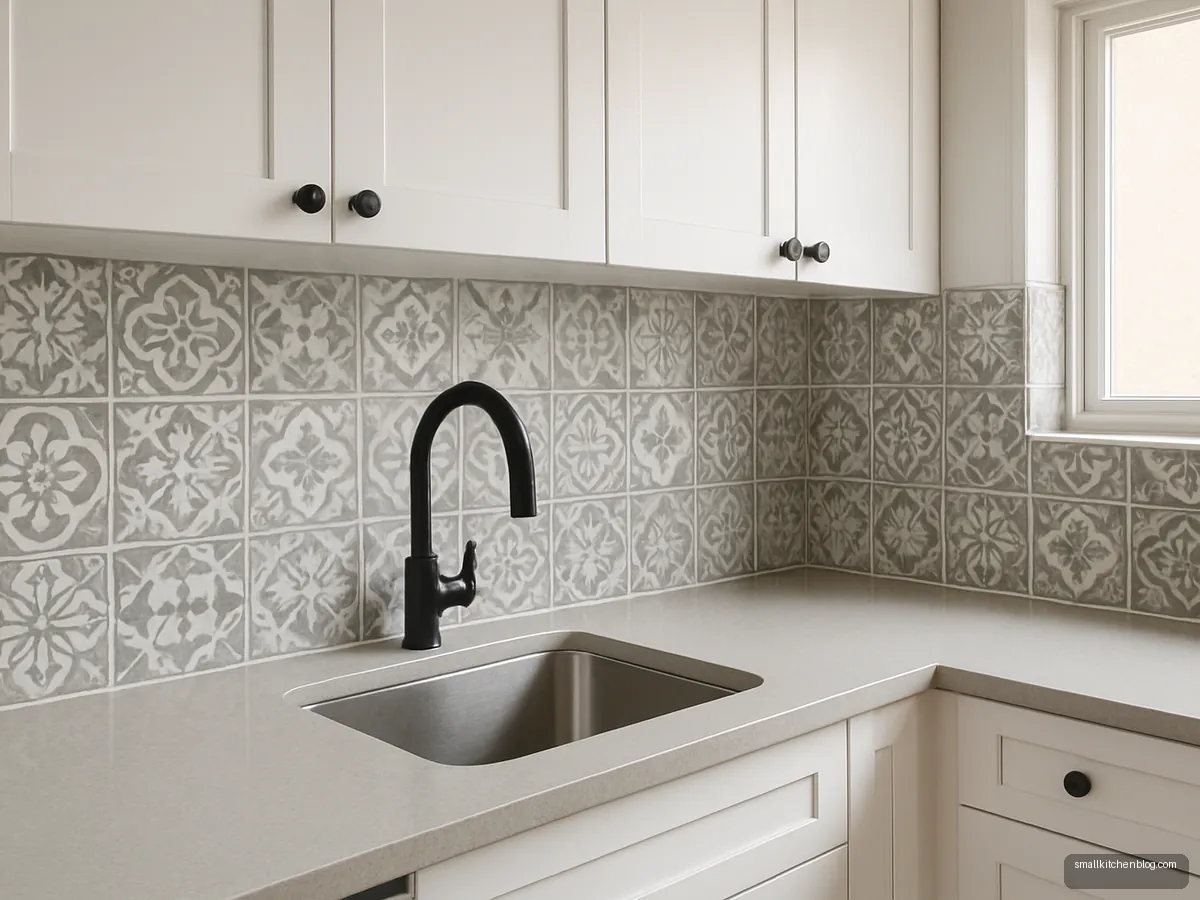
Patterned Cement Look Tiles
Encaustic-style tiles in grey and white add pattern without colour noise. Glazed versions are easier to clean than real cement tiles in an Indian kitchen. Suits shaker or panelled cabinets in older homes.
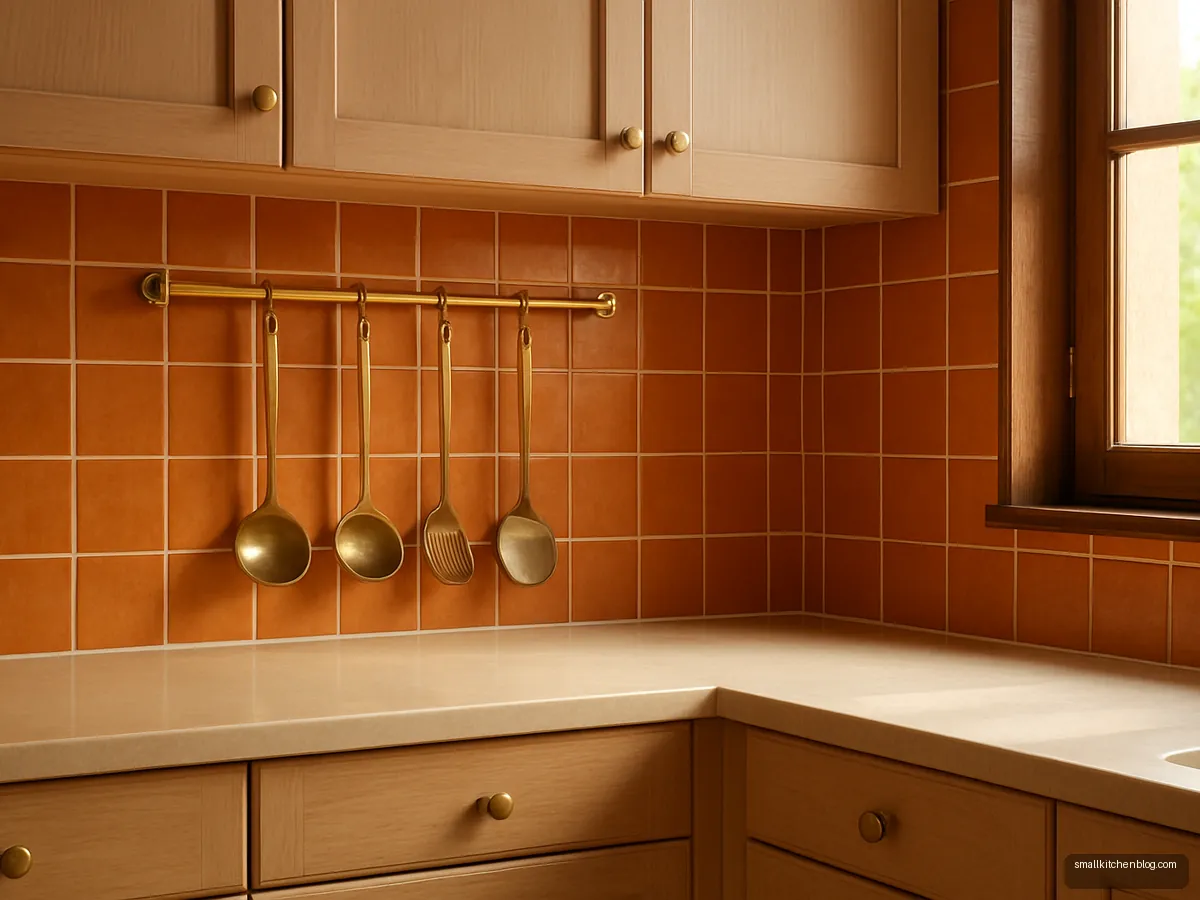
Terracotta Square Tiles Wall
Earthy terracotta-toned glazed tiles suit kitchens with brass and wood. They hide turmeric stains far better than white tiles and look good with steel and copper vessels. Use cream grout to keep the look soft.
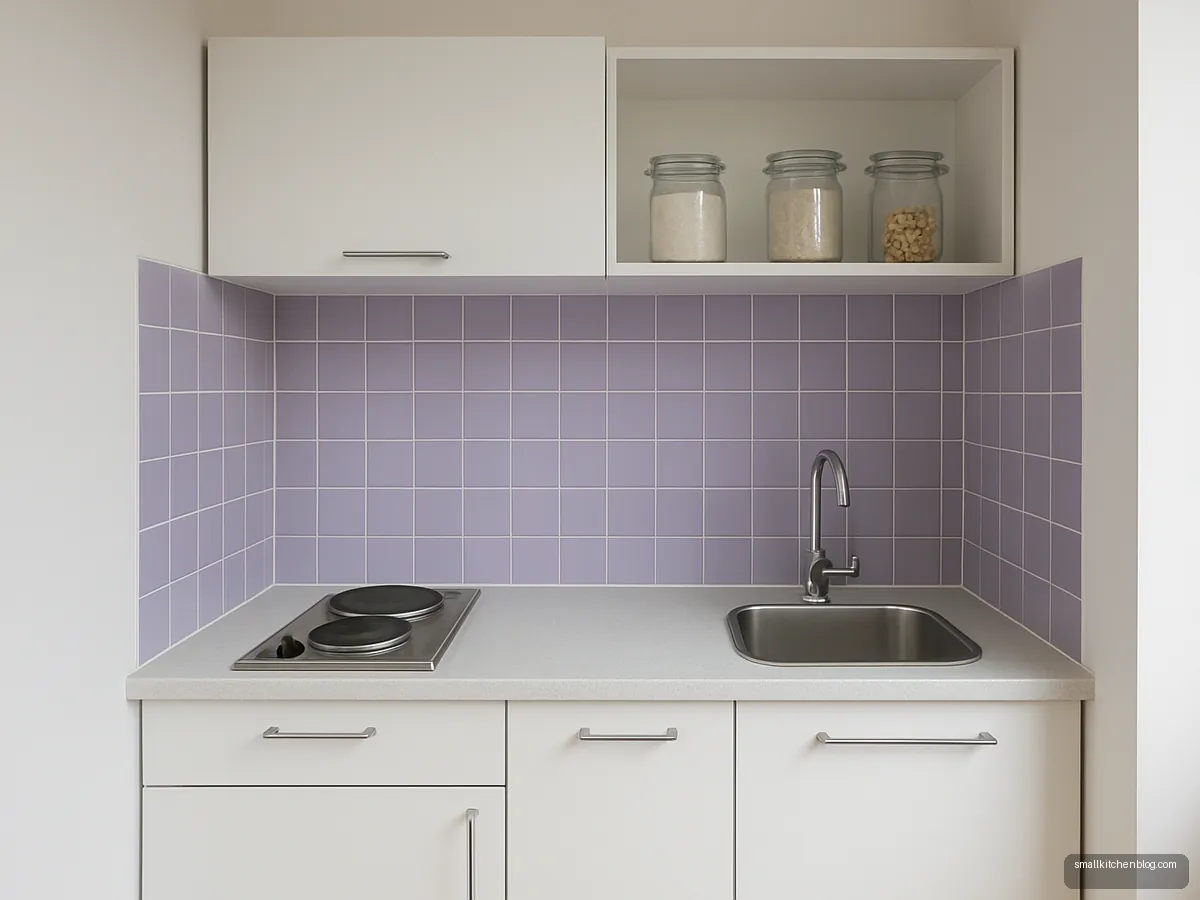
Lavender Gloss Squares Studio
Small lavender squares in a studio kitchenette add colour where there is little room for anything else. Gloss bounces light into a corner kitchen and is easy to wipe after cooking.
Illustrative design concepts. Sizes, finishes and prices vary by maker and city, so confirm details with your designer or carpenter.
Kitchen wall tiles do two jobs: they protect the wall from water, oil and heat, and they set the mood of the room. In Indian kitchens with daily tadka, the wall behind the hob and above the sink sees more grease and moisture than almost any surface in the house. The right tile, finish and grout make the difference between a wall you wipe in a minute and one you scrub every weekend.
This page covers how high to tile, which tile type and finish suits a kitchen wall, how to choose grout, and how to clean it, with 18 ideas from plain budget dado to full-height slabs.
How high to tile: dado, backsplash or full wall
There are three common choices:
- Backsplash only. Tiles from the counter to the underside of the wall cabinets. Asian Paints Beautiful Homes gives a backsplash height of 18 in, and Design Cafe gives an 18 to 21 in gap between counter and upper cabinets.
- Dado. In Indian usage, tiles running a set height up the wall around the platform even where there are no upper cabinets. Many builders tile to a fixed height; there is no single standard, so match it to your cabinet line or window sill.
- Full height. Tiles from counter to ceiling, often only behind the hob. Best where there are no upper cabinets, or in open kitchens where the wall is on show.
If the wall above the tiles is painted, choose a washable paint. Behind the hob, extend tiles at least up to the chimney so no painted surface takes direct grease.
Ceramic, vitrified or something else
| Type | Water absorption | Thickness | Kitchen wall use |
|---|---|---|---|
| Ceramic | 3 to 7% (MaterialDepot); 3 to 6% (L&T SuFin) | 6 to 8 mm | Standard wall tile; light, easy to cut |
| Vitrified | under 0.5% | 8 to 12 mm | Large slabs and wet walls; heavier |
Ceramic is the usual choice for walls because it is lighter and walls do not take foot traffic. Kajaria lists ceramic wall tiles for kitchens in sizes including 300 x 450 and 300 x 600 mm, and slabs up to 800 x 2400 and 800 x 3000 mm for large walls. MaterialDepot notes PEI class I tiles are for walls only, so a tile rated for walls only is fine here but not on the floor. For floor picks, see our kitchen floor tiles page.
Gloss, matte or textured finish
Gloss reflects light, which helps in small or dark kitchens, and oil wipes off its smooth surface easily. It shows water spots and streaks. Matte looks softer and hides water marks, but oil can sit in a fine haze that needs a degreaser. Textured tiles (3D, brick or stone look) add depth on a feature wall but trap grease in grooves, so keep them away from the hob.
A practical split: gloss or satin behind the hob and sink, any finish you like on feature walls away from cooking.
Choosing grout for an Indian kitchen
- Pick the colour for stains, not looks. White grout near the hob turns yellow with turmeric and oil. Grey, charcoal or a colour close to your darkest tile tone stays cleaner looking.
- Go for epoxy grout behind the hob and sink. It resists stains and water better than cement grout, though it costs more and needs a skilled hand.
- Keep joints thin on large tiles. Fewer and thinner joints mean less to scrub.
- Seal cement grout after it cures, and reseal when water stops beading on it.
Patterns and highlighter tiles
Highlighter tiles, a band of patterned or coloured tiles among plain ones, are popular in Indian kitchens. Keep the highlighter at eye level above the counter, not near the floor where no one sees it. For a calm look, use one pattern only and pick plain cabinets. Subway tiles can be laid in running bond, stacked, or herringbone; herringbone needs more cutting and so more wastage. For more pattern ideas across walls and floors, see kitchen tiles design.
Cleaning kitchen wall tiles
- Wipe the hob wall after heavy cooking while it is still warm; fresh oil comes off with a damp cloth.
- Use a mild dish soap solution weekly. Avoid acidic cleaners on natural stone, as MSI Surfaces warns that lemon and vinegar can etch granite.
- Use a soft brush on grout lines; harsh wire brushes scratch glaze.
- Check silicone where tiles meet the counter every few months and redo it if it lifts, so water does not get behind the tiles.
Matching tiles to cabinets? See our kitchen colour combination ideas and modern kitchen design gallery, or browse small kitchen design for tiny rooms.
Frequently asked questions
Kitchen wall tiles kitni height tak lagani chahiye?
At minimum, tile the backsplash between the counter and the wall cabinets. Asian Paints Beautiful Homes gives an 18 in backsplash height. Many Indian homes tile a dado up to window sill or cabinet level, and full height behind the hob. Extend tiles at least up to the chimney so grease does not hit paint.
Which tile is best for kitchen walls?
Ceramic wall tiles are the usual choice: lighter, easy to cut and fine for walls since there is no foot traffic. MaterialDepot puts ceramic water absorption at 3 to 7% against under 0.5% for vitrified. Choose vitrified or large slabs if you want fewer grout lines on a large wall.
Gloss or matte tiles for kitchen backsplash?
Gloss is easier to wipe and reflects light, which suits small or dark kitchens, but it shows streaks. Matte looks softer and hides water spots but holds a thin oil film. Many designers use gloss behind the hob and sink and matte on feature walls away from cooking.
What colour grout is best for a kitchen?
Grey or charcoal grout hides turmeric and oil stains far better than white. If you want a seamless look, match the grout to the tile's darkest tone. Epoxy grout behind the hob and sink resists stains and water better than cement grout.
Simple kitchen wall tiles design for a low budget?
Plain ceramic tiles in a standard size like 300 x 450 mm, laid to backsplash height with washable paint above, keep cost low. Add a single highlighter band if you want pattern. Buy a few spare tiles from the same batch for future repairs, since shades vary between batches.
How do I remove oil stains from kitchen wall tiles?
Wipe while the tiles are still warm after cooking, using warm water with a little dish soap. For older films, use a mild degreaser and a soft sponge. Avoid steel wool on glazed tiles. For grout, use a soft brush; if stains persist, consider regrouting with epoxy behind the hob.
Sources: Kajaria, kitchen tiles · MaterialDepot, vitrified vs ceramic · L&T SuFin, vitrified vs ceramic · MaterialDepot, reading tile specs · Asian Paints Beautiful Homes, modular kitchen dimensions · Design Cafe, standard kitchen dimensions · MSI Surfaces, caring for granite. Figures checked 14 October 2026; prices and rates change, so confirm locally.