Residential asphalt paving asphalt surfaces are essential for business operations in Utah. Parking lots, access roads, loading areas, and drive lanes must remain safe, durable, and functional despite constant traffic and changing weather conditions. Over time, even well-built pavement begins to show signs of wear, making asphalt repair Utah services a critical part of property maintenance.
For residential, successful asphalt repair is not just about fixing visible damage—it is about applying the right methods, at the right time, using the right materials. Experienced Utah asphalt companies such as Top Job Asphalt follow proven best practices to ensure residential asphalt paving repairs are long-lasting, cost-effective, and reliable.
Why Best Practices Matter in Asphalt Repair
Asphalt repair is a technical process that requires precision. Poor workmanship, incorrect materials, or improper timing can lead to recurring damage and higher long-term costs.
Following best practices ensures that repairs restore structural integrity, prevent further deterioration, and extend pavement lifespan.
For residential asphalt paving properties, where traffic loads are high and downtime is costly, quality repair work is essential for maintaining safe and efficient operations.
Conducting a Thorough Pavement Inspection
One of the most important best practices in asphalt repair Utah work is a detailed inspection before any repair begins.
A proper inspection identifies:
Surface cracks
Subsurface damage
Drainage issues
Base failure
Traffic wear patterns
Without a thorough assessment, contractors may only treat surface symptoms while ignoring deeper structural problems.
Leading Utah asphalt companies prioritize inspection to ensure that the correct repair method is selected from the start.
Companies like Top Job Asphalt use detailed evaluations to avoid unnecessary costs and ensure long-term performance.
Choosing the Right Repair Method
Not all asphalt damage requires the same solution. One of the most critical best practices is selecting the correct repair method based on severity and cause.
Common repair methods include:
Crack sealing for early damage
Pothole patching for localized failures
Infrared repair for seamless blending
Resurfacing for widespread wear
Full-depth repair for structural failure
Using the wrong method can lead to premature failure and repeat repairs.
Experienced Utah asphalt companies match repair techniques carefully to pavement conditions to ensure durability and cost efficiency.
Proper Surface Cleaning Before Repair
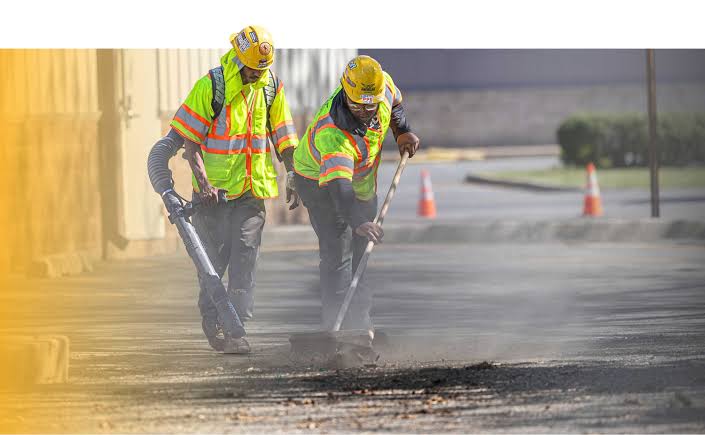
A clean surface is essential for successful asphalt repair. Dirt, debris, and moisture can prevent proper bonding between new and existing materials.
Before repairs begin, the damaged area should be thoroughly cleaned and prepared.
This ensures:
Strong adhesion
Longer-lasting repairs
Reduced risk of separation or cracking
Professional asphalt repair Utah services always include proper cleaning as part of the preparation process.
Addressing Water and Drainage Issues First
Water is one of the leading causes of asphalt failure. If drainage problems are not addressed, even high-quality repairs will eventually fail.
Best practices require fixing grading or drainage issues before performing surface repairs.
This may include:
Regrading surfaces
Installing drainage improvements
Redirecting water flow
Companies like Top Job Asphalt prioritize water management to protect repairs from future damage.
Using High-Quality Materials
Material quality plays a major role in repair success. Low-quality asphalt or patching materials may reduce initial costs but often lead to faster failure.
High-quality materials provide:
Better bonding strength
Improved durability
Greater resistance to weather changes
Reliable Utah asphalt companies use proven residential asphalt paving-grade asphalt mixes designed for long-term performance.
Ensuring Proper Compaction
Compaction is one of the most critical steps in asphalt repair. Without proper compaction, repaired areas may settle, crack, or deteriorate quickly.
Best practices include using:
Heavy rollers
Layered compaction techniques
Proper temperature control during installation
Experienced contractors like Top Job Asphalt ensure every repair is properly compacted for maximum strength and stability.
Matching New Asphalt with Existing Pavement
A successful repair should blend seamlessly with existing pavement. Poor matching can create weak points and visible inconsistencies.
Best practices involve ensuring:
Similar asphalt mix composition
Proper temperature integration
Smooth surface transition
Professional Utah asphalt companies ensure that repairs not only perform well but also maintain a uniform appearance across residential asphalt paving properties.
Timing Repairs Correctly
Weather and temperature conditions have a major impact on repair success. Asphalt repairs should ideally be done during warm, dry conditions for optimal bonding and curing.
Cold or wet conditions can reduce adhesion and shorten repair lifespan.
Experienced contractors schedule asphalt repair Utah projects during suitable seasons to maximize durability.
Controlling Traffic During Repairs
For residential asphalt paving properties, managing traffic during repair work is essential. Heavy vehicles or continuous traffic can damage uncured asphalt.
Best practices include:
Sectioned repair zones
Temporary traffic rerouting
Clear signage and barriers
Companies like Top Job Asphalt often plan phased repairs to minimize disruption while protecting work quality.
Performing Edge and Transition Sealing
Edges of repaired areas are often vulnerable to water infiltration and cracking.
Proper sealing of repair edges ensures:
Strong bonding
Reduced moisture penetration
Longer-lasting results
This step is often overlooked in low-quality repair work but is essential for residential asphalt paving durability.
Preventive Maintenance After Repair
Repair work should always be followed by a maintenance plan. Without ongoing care, even high-quality repairs can degrade over time.
Preventive maintenance includes:
Sealcoating
Crack sealing
Regular inspections
Leading Utah asphalt companies encourage residential to adopt maintenance schedules to protect repair investments.
Companies like Top Job Asphalt provide long-term maintenance support to help extend pavement life.
Quality Control and Final Inspection
A final inspection ensures that all repair work meets performance standards. This includes checking surface smoothness, compaction, drainage, and bonding quality.
Quality control prevents future issues and ensures that repairs meet residential asphalt paving durability requirements.
Experienced contractors maintain strict quality standards throughout the entire repair process.
Minimizing Business Disruption
residential asphalt paving asphalt repair must be completed with minimal disruption to business operations. Poor planning can lead to customer inconvenience and revenue loss.
Best practices include:
Working during off-peak hours
Phased repair scheduling
Fast curing techniques
Professional asphalt repair Utah services are designed to balance efficiency with business continuity.
Conclusion
Successful asphalt repair Utah work depends on following proven best practices at every stage of the process. From inspection and material selection to compaction, drainage correction, and maintenance planning, each step plays a critical role in ensuring long-term pavement performance.
Experienced Utah asphalt companies such as Top Job Asphalt apply these best practices to deliver durable, cost-effective, and high-quality repairs for residential asphalt paving properties.
For residential, investing in properly executed asphalt repair is essential for maintaining safety, reducing long-term costs, and ensuring reliable pavement performance. When best practices are followed consistently, asphalt surfaces remain strong, functional, and visually appealing for years.